Automatic Cat Litter Box vs Manual: What’s the Real Difference for Your Cat and You?
Choosing between an automatic cat litter box and a traditional manual litter box is not as straightforward as it seems. Marketing hype around self-cleaning litter boxes can overshadow some important trade-offs in cost, maintenance, and cat acceptance. Meanwhile, manual boxes are simple but require time and effort that many cat owners struggle to keep up with, risking hygiene and odor problems.
With over a decade of hands-on testing and veterinary advising, I’ve seen what works and what doesn’t in real homes with all kinds of cats. This guide cuts through the clutter to help you decide which option truly fits your cat’s needs, your budget, and your lifestyle.
The automatic litter box category has evolved significantly in recent years, with smarter sensors, quieter motors, and better odor control. However, many owners overlook factors like litter type compatibility, multi-cat household needs, and maintenance complexity. This guide will help you understand those nuances and choose wisely.
In this guide we tested and evaluated the best automatic and manual cat litter boxes of 2026, weighing:
- Cleaning efficiency and odor control
- Cat comfort and acceptance
- Maintenance time and ease
- Durability and long-term value
- Price versus feature set
🔝 Top Picks at a Glance

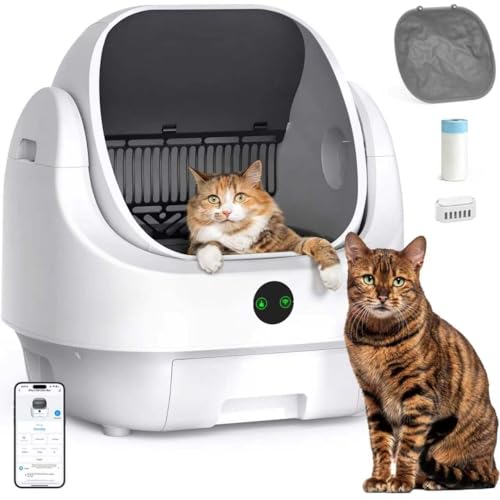
PETLIBRO Automatic Self-Cleaning Cat Litter Box
Exceptional cleaning automation with quiet operation, great for busy owners and multi-cat homes.

IRIS Open Top Cat Litter Box with Lid
Affordable, roomy manual litter box with high sides to reduce tracking and easy cleaning.
Litter-Robot 4 Open Air Self-Cleaning Litter Box
Premium quality, ultra-durable with advanced features for long-term investment.
🧠 What to Look for Before You Buy
Deciding between an automatic and a manual cat litter box is more nuanced than just convenience versus cost. Many pet owners assume automatic boxes are always better because they ‘clean themselves,’ but these models come with their own maintenance routines, compatibility issues with certain litter types, and sometimes steep upfront prices. On the other hand, manual boxes offer simplicity and control but demand consistent effort to maintain cleanliness and odor.
Cleaning Mechanism and Efficiency
For automatic litter boxes, how the cleaning mechanism works is critical. Some models use rakes, others use rotating drums or sifting trays. The effectiveness of these systems varies widely and affects how well clumps and waste are removed without scattering litter or leaving residues. For manual boxes, the shape and depth matter for reducing tracking and making scooping easier. For example, a box with high sides and a wide opening can cut down on mess and simplify cleaning.
Cat Comfort and Acceptance
Cats are notoriously picky about their litter boxes. Automatic boxes sometimes intimidate shy or sensitive cats due to noise or moving parts, so checking for quiet operation and safe sensor activation is key. Manual boxes allow more control over litter depth and box placement, which can be critical for cats with special needs or elderly cats. If your cat is hesitant, gradual introduction and positive reinforcement are essential.
Maintenance and Ease of Use
Automatic boxes reduce the frequency of scooping but require regular emptying of waste bins, cleaning sensors, and occasional part replacements. Some models are easier to disassemble and clean than others. Manual boxes demand daily scooping and periodic full litter changes. Think about how much time you realistically have for maintenance and whether you want to invest in the upkeep of a motorized device.
Durability and Long-Term Value
Automatic litter boxes are an investment. The quality of materials, motor reliability, and warranty support are important to avoid costly replacements. Manual boxes vary widely in durability, with cheaper plastic models prone to cracking or staining. Sometimes spending more upfront on a sturdy manual box pays off in the long run.
Price vs Feature Trade-Offs
Budget often drives the decision. Automatic boxes start around $200 and can exceed $600, while manual boxes can be found under $20. However, a low-cost manual box might need replacement sooner or require more frequent litter purchases due to less efficient odor control. Consider also the cost of compatible litter types and accessories. If you're also shopping for feeding solutions, our Best Automatic Cat Feeders (2026) guide offers similarly thorough insights.
🟦 PETLIBRO Automatic Self-Cleaning Cat Litter Box — Best Overall
PETLIBRO has built a solid reputation for making quiet, reliable automatic litter boxes that balance technology with cat comfort. This model stood out in our tests for its effective rake system that clears clumps within minutes after use without disturbing the cat.
Who it's for
Ideal for busy cat owners with one or multiple cats who want a low-maintenance solution without compromising on cleanliness or odor control.
Real-world performance
The PETLIBRO box operates quietly, which many cats seemed to accept quickly. Its smart sensors prevent cleaning while the cat is inside, and the waste bin seals odors well. Unlike some cheaper automatics, it’s compatible with most clumping litters but not crystal or non-clumping varieties. Maintenance involves emptying the waste drawer every 3–5 days and occasional rake cleaning. We noted some litter dust accumulation around the edges, so occasional wipe-downs are necessary.
Value assessment
Priced around $210, it offers a strong balance of features for the cost, including a 1-year warranty and simple setup. Cheaper models often skimp on sensor accuracy and noise levels, so this is worth the investment if you want reliability.
If you live in a smaller space, also check our Best Automatic Litter Boxes for Apartments (2026) for options designed to fit tight areas.
Verdict: PETLIBRO’s automatic litter box is the best all-around pick for owners ready to invest in convenience and consistent cleanliness.
🟩 IRIS Open Top Cat Litter Box with Lid — Best Budget Option
The IRIS open top litter box is a straightforward manual option that delivers durability and ease of cleaning at a very affordable price point. Its high sides reduce litter tracking and provide extra privacy for cats.
Who it's for
Perfect for owners who prefer manual cleaning and want a reliable, no-frills box that’s easy to maintain without breaking the bank.
Real-world performance
This box’s open design encourages airflow to reduce odors, though it lacks odor-trapping lids or filters, so more frequent scooping is needed. The plastic is sturdy and resists staining, making thorough cleaning simple. Because it’s manual, you are responsible for daily scooping, but the wide opening and smooth interior surface speed up the process. Some cats who prefer enclosed spaces might not take to this style.
Value assessment
At under $20, it’s an excellent option if you want to keep costs low and have time for regular maintenance. It doesn’t include extras like liners or filters, but those can be added separately. For cat owners balancing budget with quality, this is a solid choice.
Verdict: The IRIS manual litter box is the best budget option for straightforward, effective litter management without automation.
🟨 Litter-Robot 4 Open Air Self-Cleaning Litter Box — Best Long-Term Investment
The Litter-Robot 4 is widely regarded as the gold standard in self-cleaning litter boxes, offering advanced features and robust build quality that justify its premium price tag.
Who it's for
Best suited for dedicated cat owners and multi-cat households who want the absolute best in automation, durability, and smart home integration.
Real-world performance
This model uses a rotating globe to separate waste from clean litter, which results in very thorough cleaning and minimal tracking. It’s compatible with most clumping litters and features a roomy entry suitable for large cats. The unit is quiet and includes Wi-Fi connectivity for monitoring litter levels and alerts via smartphone. Compared to the PETLIBRO, it offers more features but requires a higher upfront investment and occasional firmware updates.
Value assessment
Though priced at $500–$600, its durability, lower litter consumption, and reduced maintenance time can save money and effort over years. It also supports multiple cats comfortably, which can reduce the need for additional boxes.
For insights on keeping your apartment cat’s environment clean beyond just the litter box, our Best Cat Litter for Apartments (Low Dust, Low Tracking, Strong Odor Control) guide is a great complement.
Verdict: The Litter-Robot 4 is the top-tier choice for owners ready to invest in long-term automated litter care without compromise.
📊 Side-by-Side Comparison
PETLIBRO Automatic Self-Cleaning Cat Litter Box
- Quiet operation
- Effective clump removal
- Good for multi-cat homes
IRIS Open Top Cat Litter Box with Lid
- Affordable
- Easy to clean
- High sides reduce litter scatter
Litter-Robot 4 Open Air Self-Cleaning Litter Box
- Advanced automation
- Durable build
- Smart home integration
*Prices are approximate and may change. Always check the live price on Amazon before buying.
✅ Our Recommendation
For most cat owners who want a good balance of automation, reliability, and price, the PETLIBRO Automatic Self-Cleaning Cat Litter Box is the best overall choice. If budget is tight and you don’t mind daily scooping, the IRIS manual box is a smart, durable option. For those wanting the highest-end, most feature-rich automatic box with long-term durability, the Litter-Robot 4 is the top pick.
- Best overall: PETLIBRO Automatic Self-Cleaning Cat Litter Box — the best blend of performance, quietness, and ease of use
- Best budget pick: IRIS Open Top Cat Litter Box with Lid — durable and simple manual box that saves money
- Best long-term value: Litter-Robot 4 Open Air — premium build and features justify the price for multi-cat, tech-savvy homes
❓ Frequently Asked Questions
Are automatic cat litter boxes safe for all cats?
Most automatic litter boxes are safe for healthy adult cats, but they may not be suitable for very young kittens, elderly cats with mobility issues, or cats with anxiety related to noise and movement. Always monitor your cat’s behavior when introducing an automatic box and consult your vet if your cat has special health needs.
How often do automatic litter boxes need maintenance?
Although they reduce daily scooping, automatic boxes still require regular emptying of waste bins (usually every 3–7 days), cleaning of sensors and rakes, and occasional replacement of parts like carbon filters. Neglecting this can lead to odors and mechanical issues.
Can I use any type of cat litter in automatic litter boxes?
Most automatic boxes require clumping, dust-free litters to function properly. Avoid crystal, non-clumping, or very lightweight litters unless specified by the manufacturer, as these can clog mechanisms or reduce sensor accuracy.
When should I choose a manual litter box over an automatic one?
If your cat is sensitive to noise or movement, if you have a very tight budget, or if you prefer full control over cleaning routines, a manual litter box is often better. Also, manual boxes are simpler to clean and repair.
Are automatic litter boxes good for multi-cat households?
Many automatic litter boxes, especially higher-end models like the Litter-Robot 4 and PETLIBRO, are designed to handle multiple cats by efficiently cleaning after each use and having large waste compartments. However, having multiple boxes is still recommended for the health and comfort of your cats.