Automatic Fish Tank Heater vs Undergravel Heating: What Really Works for Your Aquarium
Automatic fish tank heater vs undergravel heating is a common debate among aquarists aiming for stable, safe water temperatures. The key difference boils down to precision and heat distribution, but the right choice depends on your tank setup, fish species, and maintenance preferences.
Here's what we looked at when picking the best options:
- Heating consistency and temperature accuracy
- Installation ease and tank compatibility
- Durability and safety features
🔝 Top Picks at a Glance

Eheim Jager Aquarium Thermostat Heater, 100W
Reliable, precise temperature control with shatterproof glass and an easy-to-adjust thermostat. Ideal for hobbyists needing stable tropical tank temps.

HydroLogic Undergravel Aquarium Heater Pad
Budget-friendly undergravel heating pad that warms from the substrate up. Best for small tanks where direct water heaters aren’t an option.
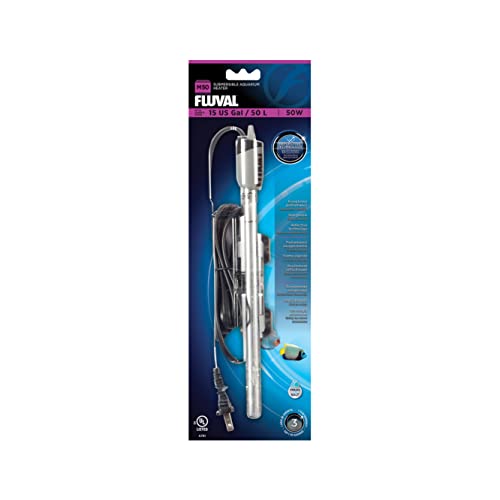
Fluval M Series Heater with Smart Temperature Control
Advanced automatic heater with digital thermostat and protective guard. A long-term investment for serious aquarists who value precision and durability.
🧠 What to Look for Before You Buy
Choosing between an automatic fish tank heater vs undergravel heating isn’t as straightforward as it looks. Many aquarists assume undergravel heating offers uniform warmth, but this depends heavily on substrate type and tank size. Meanwhile, automatic heaters offer precision but vary widely in build quality and safety.
Temperature Accuracy and Control
Precision matters. Automatic heaters with built-in thermostats maintain target temperatures within a narrow margin, crucial for sensitive tropical fish. Undergravel heating pads tend to be less precise — they warm the substrate but don’t directly regulate water temperature. For example, a gravel bed can insulate or unevenly distribute heat, leading to hot or cold spots. Always look for heaters certified for aquatic safety standards to avoid overheating risks.
Installation and Maintenance
Undergravel heating pads are installed beneath substrate, which can be a hassle if you already have an established tank. They’re also harder to inspect or replace without disturbing the setup. Automatic heaters, usually fully submersible, are easier to install and clean, and many have safety features like shatterproof glass or automatic shutoff. The trade-off is automatic heaters require monitoring during initial setup to ensure correct calibration.
Durability and Safety Features
Glass tube heaters can break if mishandled, but brands like Eheim and Fluval offer shatterproof or protective-guard models. Undergravel pads are generally more durable since they’re under the substrate but watch for electrical faults or wear over time. Many automatic fish tank heaters now include overheating protection, which is a must-have for peace of mind.
Cost vs Value
Undergravel heating pads are often cheaper upfront but may save less energy and have shorter lifespans. Automatic heaters cost more but offer precise control, better durability, and safer operation. If you’re on a budget and have a small, simple tank, an undergravel heater might suffice. Otherwise, spending more on a trusted automatic heater pays off in reliability.
If you’re also weighing automation options for your aquatic setup, don’t miss our detailed breakdown of Automatic Fish Tank Heaters vs Manual (2026).
🟦 Eheim Jager Aquarium Thermostat Heater, 100W — Best Overall
Eheim’s Jager heater is a staple among aquarists for a reason. Its shatterproof glass and reliable thermostat deliver rock-solid temperature control without fuss. This model stands out for combining durability with precise, automatic adjustments — it’s a classic that balances performance with affordability.
Who it's for
Aquarium owners who want dependable, precise temperature control for tropical fish without paying a premium for advanced digital features. Also great for those with mid-sized tanks (up to 40 gallons) who need a reliable, no-nonsense heater.
Real-world performance
This heater maintains temperature within 1°F of the set point consistently. Setup is straightforward — just clip it inside the tank and adjust the dial. Unlike some budget models, it doesn’t cycle erratically, which reduces stress on fish. The shatterproof glass is a lifesaver if you accidentally bump it during maintenance. That said, it lacks digital temperature readout, so you’ll need a separate thermometer to monitor. Compared to undergravel heating, it heats water directly and more evenly.
Value assessment
At around $45, it offers excellent bang for the buck. You get a durable, tested product that outperforms many cheaper heaters that fail or overheat. If you want digital precision or smart home integration, look elsewhere, but for straightforward tropical tanks, it’s hard to beat.
Verdict: Reliable, sturdy, and precise — the Eheim Jager is the automatic heater that gets the job done without gimmicks.
🟩 HydroLogic Undergravel Aquarium Heater Pad — Best Budget Option
The HydroLogic undergravel heating pad is an affordable way to add warmth beneath your tank’s substrate. It’s best for smaller tanks or setups where a submerged heater isn’t ideal. This pad gently warms gravel or sand, providing steady background heat without visible equipment in the water.
Who it's for
Budget-conscious hobbyists with small aquariums or those who want to avoid cluttering the tank with visible heaters. Also suitable if you have species sensitive to direct heater contact.
Real-world performance
It delivers mild, distributed warmth but lacks thermostat precision — you’ll need an external thermometer and possibly a controller. Heat output depends on substrate depth and type; coarse gravel may not conduct heat evenly. Installation requires emptying the tank and placing the pad under the substrate, so it’s not ideal for established tanks. Also, it doesn’t respond as quickly to temperature changes, which can be a problem in fluctuating room temps.
Value assessment
Though it’s the cheapest option here, the trade-offs in control and ease of use are real. For small, stable environments, it’s a decent budget pick. If you want precision or have a larger tank, invest in an automatic heater instead.
Verdict: Good for small tanks on a budget but expect less precise, slower heating compared to automatic heaters.
🟨 Fluval M Series Heater with Smart Temperature Control — Best Long-Term Investment
Fluval’s M Series heater is a premium automatic heater with digital thermostat control and a protective guard. It’s built for aquarists who want top-tier precision, safety, and durability. This model represents a future-proof choice for serious hobbyists.
Who it's for
Owners of mid to large aquariums who demand exact temperature control, safety features, and longevity. Ideal for tanks with sensitive or rare fish where stable heat is crucial.
Real-world performance
The digital thermostat maintains water temperature within 0.5°F, outperforming most analog heaters. It also features an LED display showing actual water temperature, which simplifies monitoring. The protective guard prevents fish burns and accidental breakage. Compared to the Eheim Jager, it’s more accurate and durable but costs more. Unlike undergravel heating, it heats water directly, which is more efficient and safer.
Value assessment
The upfront cost (~$70) is higher but justified by the precise control and safety features that reduce risks. Over years, it’s less likely to fail or cause temperature swings, potentially saving money on fish losses and replacements.
For insights on automated pet care technologies, check out our Automatic Cat Litter Box vs Manual (2026) guide.
Verdict: A top-tier heater that pays off with precision, safety, and durability for serious aquarium keepers.
📊 Side-by-Side Comparison
Eheim Jager Aquarium Thermostat Heater, 100W
- Shatterproof glass
- Consistent temperature control
- Easy installation
HydroLogic Undergravel Aquarium Heater Pad
- Budget-friendly
- Invisible heating
- Good for small tanks
Fluval M Series Heater with Smart Temperature Control
- Digital thermostat
- Protective guard
- Precise temperature readout
*Prices are approximate and may change. Always check the live price on Amazon before buying.
✅ Our Recommendation
For most aquarium owners needing reliable, safe, and precise temperature control, the Eheim Jager Aquarium Thermostat Heater is the top choice — it balances durability and accuracy without breaking the bank. If budget is tight and your tank is small or simple, the HydroLogic Undergravel Aquarium Heater Pad offers a reasonable, discreet heating option. Serious hobbyists who want digital precision and enhanced safety should invest in the Fluval M Series Heater with Smart Temperature Control.
❓ Frequently Asked Questions
What is the best automatic fish tank heater for tropical fish?
An automatic fish tank heater with a reliable thermostat like the Eheim Jager or Fluval M Series is best for tropical fish. These heaters maintain stable water temperatures crucial for delicate species, prevent overheating, and provide easy temperature adjustments.
Automatic fish tank heater vs undergravel heating: which is better for planted tanks?
Automatic heaters are generally better for planted tanks because they offer precise water temperature control, essential for plant health. Undergravel heating can unevenly warm the substrate, potentially stressing plants and roots.
Is undergravel heating safe for fish?
Undergravel heating can be safe if installed correctly and monitored closely, but it lacks built-in temperature regulation. Always use an external thermometer and avoid overheating, which can harm fish. Vets and aquatic specialists recommend automatic heaters with thermostats for consistent safety.
How often should I check my aquarium heater’s temperature?
Check your tank’s temperature daily, especially during initial heater installation or seasonal changes. Regular monitoring helps catch failures or malfunctions early, preventing stress or fatalities among fish.
What is the best undergravel heating option for small aquariums?
For small aquariums, budget undergravel pads like the HydroLogic model provide gentle substrate warming. However, they require external temperature monitoring and are best paired with a quality aquarium thermometer.