Automatic vs Manual Fish Tank Filters: What Actually Works for Cleaner Aquariums
Automatic vs manual fish tank filters isn’t just a budget vs convenience debate — the right filter can make or break your aquarium’s health. Not all filters are created equal, and the difference between a headache-free tank and a constant maintenance chore often boils down to how the filter operates and how much hands-on effort it demands.
Here's what we looked at when picking the best options:
- Filtration efficiency and water flow consistency
- Ease of maintenance and cleaning
- Noise level and overall reliability
🔝 Top Picks at a Glance

Fluval FX6 High Performance Canister Filter
Powerful, reliable filtration with multi-stage media — ideal for large tanks needing top-tier clarity and minimal maintenance.

Aqueon QuietFlow LED PRO Power Filter
Affordable, easy-to-use hang-on-back filter with adjustable flow — best for small to medium tanks and budget-conscious owners.
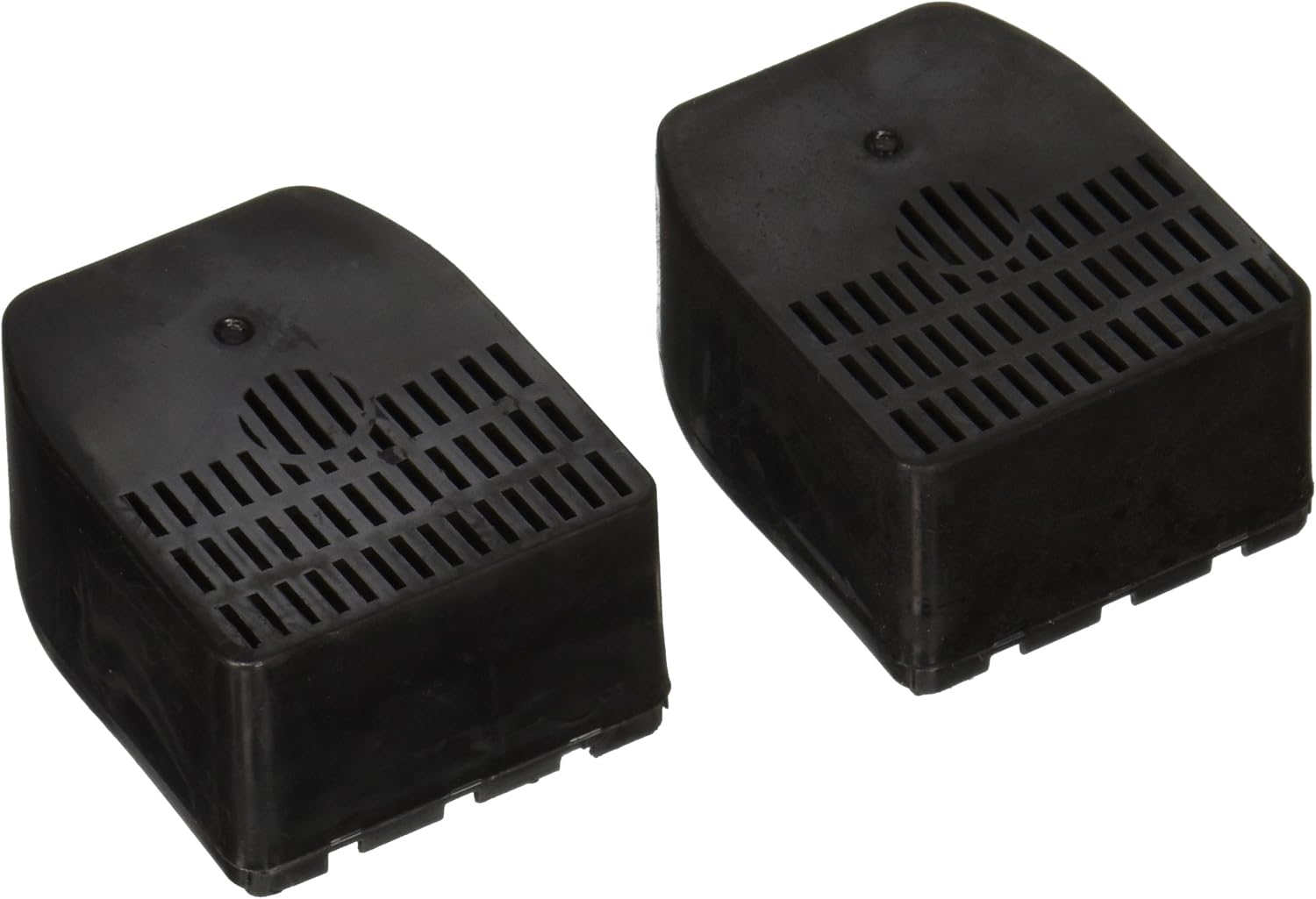
Penn Plax Cascade 300 Canister Filter
Durable, long-lasting canister filter with manual controls — a smart investment for mid-size tanks needing versatile filtration.
🧠 What to Look for Before You Buy
Choosing between automatic and manual fish tank filters seems straightforward, but the decision has nuances most aquarium owners overlook. The biggest mistake is assuming automatic means no maintenance or manual means unreliable. In reality, it’s about matching your tank’s needs with the filter’s design and your willingness to stay hands-on.
Filtration Type and Efficiency
Not all filters clean water equally. Automatic filters, like canister or internal filters with pumps, typically offer multi-stage filtration — mechanical, chemical, and biological — ensuring thorough waste removal. Manual filters, often simpler hang-on-back units, can deliver solid mechanical cleaning but sometimes lack advanced media options or weaker flow. For example, if your tank has heavy bioload or sensitive fish, an automatic multi-stage system is safer.
Maintenance and Ease of Cleaning
Automatic filters often boast self-priming and continuous operation, but they still require regular cleaning of media and tubing to prevent clogs. Manual filters might be easier to access and clean quickly but need more frequent intervention. Some automatic models have complex parts that can frustrate beginners. If you hate frequent tank disruptions, prioritize filters with easy media swaps and clear maintenance instructions.
Noise and Energy Consumption
Quiet operation matters if your aquarium is in your living or sleeping area. Automatic filters with sealed motors or canisters generally run quieter but consume more power. Manual filters, especially simple hang-on-back designs, can be noisier due to exposed moving parts but tend to be more energy-efficient. Test noise levels before buying or check reliable user reviews for real-world reports.
Price vs Long-Term Value
It’s tempting to go budget, but cheap manual filters often sacrifice durability and filtration quality, meaning more replacements or upgrades down the line. Automatic filters have a higher upfront cost but can save time and reduce long-term maintenance headaches. However, if your setup is small and low-maintenance, a budget manual filter can serve well without breaking the bank.
If you're also weighing automated convenience in other pet care areas, our guide on Automatic Cat Litter Box vs Manual (2026) – Expert Guide to Cleaner, Easier Cat Care explores a similar trade-off between automation and hands-on management.
🟦 Fluval FX6 High Performance Canister Filter — Best Overall
Fluval is a name synonymous with reliable, high-performance aquarium gear. The FX6 stands out for its robust multi-stage filtration, high flow rate suitable for tanks up to 400 gallons, and smart self-priming system. It won “best overall” because it balances power and ease of use better than anything else in its class.
Who it's for
Ideal for owners with large aquariums or heavy bioloads who want top-tier water clarity but don’t want daily tinkering. Also good for those who want advanced filtration media options and quiet operation.
Real-world performance
This filter powers through debris with a strong 925 GPH flow and includes customizable media baskets for mechanical, chemical, and biological filtration. The self-priming feature saves a lot of setup hassle. On the downside, it’s bulky and requires space outside the tank, plus the initial setup can be intimidating for beginners. Noise levels are low compared to other canister filters, making it suitable for living rooms and bedrooms.
Value assessment
At around $300, it’s pricey, but you’re paying for premium build quality, durability, and filtration power. Cheaper canisters often lack the same flow or media flexibility. You can find deals occasionally, and replacement media kits are widely available. This is a filter you won’t need to replace anytime soon.
Verdict: The Fluval FX6 delivers professional-grade filtration with minimal fuss, worth the investment for dedicated aquarium keepers.
If you’re curious about balancing automation in other pet care routines, check out our review of Automatic Cat Water Dispensers vs Bowls (2026) – What Really Keeps Your Cat Hydrated and Healthy for insights on convenience versus maintenance.
🟩 Aqueon QuietFlow LED PRO Power Filter — Best Budget Option
Aqueon's QuietFlow LED PRO is a solid hang-on-back filter that punches above its price class. It’s not as powerful or versatile as big canisters but offers adjustable flow, easy cartridge swaps, and quiet operation that makes it a smart pick for smaller tanks or owners on a budget.
Who it's for
Best for owners with tanks under 50 gallons who want hassle-free filtering without the complexity or cost of a canister. Great for beginners or secondary tanks.
Real-world performance
In daily use, the QuietFlow PRO runs quietly and maintains decent water clarity with its multi-media cartridge system. The adjustable flow is handy for delicate species. The trade-off is it can clog quicker than canister systems and needs cartridge replacement every few weeks, which adds to cost. Also, it doesn’t offer the same biological filtration capacity as larger models.
Value assessment
Priced under $60, it’s a steal for what you get — reliable filtration with minimal setup. While you’ll pay more in media over time, the low upfront cost makes it accessible. For most small tank owners, it hits the sweet spot between performance and simplicity.
Verdict: Aqueon QuietFlow LED PRO proves you don’t need to spend big to keep a smaller aquarium healthy.
🟨 Penn Plax Cascade 300 Canister Filter — Best Long-Term Investment
The Cascade 300 is a durable manual canister filter that offers solid filtration with a straightforward design. It balances price and performance, making it a long-term investment for mid-size tanks without the complexity of high-end models.
Who it's for
Owners with tanks in the 30-55 gallon range who want a reliable, versatile filter that lasts and can be manually adjusted and cleaned without hassle.
Real-world performance
In practice, the Cascade 300 delivers steady flow and includes three media baskets for customized filtration. It’s quieter than many hang-on-back filters but louder than premium canisters like Fluval. Setup is manual — priming requires some effort, but cleaning is straightforward. Compared to the Fluval FX6, it’s less powerful but significantly more affordable.
Value assessment
While the initial cost is higher than budget hang-on-back filters, its durability and media capacity reduce replacement frequency and maintenance workload over time. If you plan to keep your aquarium for years, this filter’s sturdiness justifies the price.
For those thinking about automation in other areas of pet care, our Best Automatic Fish Feeders vs Manual Feeders (2026) – Which Feeding Method Keeps Your Aquarium Healthy Without the Hassle guide is a good next read.
Verdict: The Penn Plax Cascade 300 offers a reliable, durable solution that pays off over the long haul.
📊 Side-by-Side Comparison
Fluval FX6 High Performance Canister Filter
- High flow rate (925 GPH)
- Multi-stage filtration
- Quiet operation
Aqueon QuietFlow LED PRO Power Filter
- Adjustable flow
- Affordable
- Easy cartridge replacement
Penn Plax Cascade 300 Canister Filter
- Durable build
- Customizable media baskets
- Good flow for mid-size tanks
*Prices are approximate and may change. Always check the live price on Amazon before buying.
✅ Our Recommendation
For most aquarium owners balancing performance and hassle, the Fluval FX6 is the clear winner thanks to its superior filtration and quiet operation. If your tank is smaller or budget tight, the Aqueon QuietFlow LED PRO delivers dependable results with less upfront investment. For those ready to invest in durability and long-term value without the highest price tag, the Penn Plax Cascade 300 is a practical choice.
- Best overall: Fluval FX6 High Performance Canister Filter — Powerful, quiet, and efficient for large tanks.
- Best budget pick: Aqueon QuietFlow LED PRO Power Filter — Affordable, quiet, and simple for smaller setups.
- Best long-term value: Penn Plax Cascade 300 Canister Filter — Robust, customizable filtration with durability.
❓ Frequently Asked Questions
What is the best automatic fish tank filter for large aquariums?
The Fluval FX6 is the top pick for large tanks due to its high flow rate, multi-stage filtration, and quiet operation. It handles tanks up to 400 gallons efficiently while requiring minimal maintenance thanks to features like self-priming.
Automatic vs manual fish tank filters: which is better for beginners?
Manual filters like hang-on-back types are generally better for beginners because they’re simpler to install and maintain. Automatic canister filters offer more power but can be intimidating due to setup complexity. For small to medium tanks, a manual filter like the Aqueon QuietFlow LED PRO is a good start.
Is it safe to use automatic fish tank filters with sensitive fish?
Yes, but choose models with adjustable flow rates to avoid stressing sensitive species. Many automatic filters have customizable media and flow controls, which vets recommend to maintain stable, clean water without disturbing fish.
How often should I clean my fish tank filter?
Typically, every 3-4 weeks is ideal, but it depends on tank size and bioload. Over-cleaning can remove beneficial bacteria, while under-cleaning leads to clogging. Always follow manufacturer guidelines and monitor water clarity.
What is the best manual fish tank filter for small tanks under 20 gallons?
The Aqueon QuietFlow LED PRO is excellent for small tanks, offering quiet operation, adjustable flow, and easy cartridge changes that keep water clean without complexity.