The Best Biodegradable Fish Tank Plants That Actually Work
Not all fish tank plants labeled "biodegradable" deliver on their promise. The biggest mistake is assuming all natural aquatic plants are both eco-friendly and aquarium-safe without checking their impact on water quality and fish health. Choosing the right biodegradable plants goes beyond just being natural — it’s about durability, compatibility with your tank environment, and how they break down.
Here's what we looked at when picking the best options:
- Plant material quality and biodegradability without toxic residues
- Growth rate and compatibility with common aquarium fish and setups
- Ease of planting and maintenance with sustainability in mind
🔝 Top Picks at a Glance

Anubias Nana Petite Live Aquarium Plant
Slow-growing, hardy, and 100% natural — perfect for beginners wanting a sustainable, low-maintenance plant.
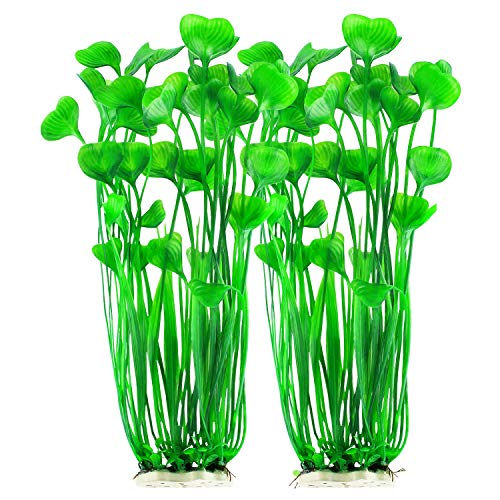
Pothos Aquarium Plant Bundle (Epipremnum aureum)
Budget-friendly, naturally biodegradable pothos roots filter water and look great; ideal for eco-conscious hobbyists.

Java Fern (Microsorum pteropus) Live Aquarium Plant
Long-lasting and resilient, this natural plant is worth the investment for sustainable, low-waste aquarium landscaping.
🧠 What to Look for Before You Buy
Biodegradable fish tank plants sound like an easy green choice, but it’s more nuanced than picking any live plant and hoping for the best. Many plants labeled biodegradable either degrade too fast, releasing unwanted organics into your water, or come with hidden synthetic treatments that compromise your tank’s health.
Natural Material Quality and Source
The first red flag is plants treated with chemicals to prolong shelf life or enhance color. Genuine biodegradable plants are untreated or minimally handled so they break down naturally without toxins. For example, Java Fern grows slowly and decomposes gracefully, while some fast-degrading mosses can spike ammonia if left dead. Always check for certifications or seller transparency on sourcing.
Growth Rate and Aquarium Compatibility
Biodegradable doesn’t mean disposable. You want plants that balance natural breakdown with sustained growth to maintain water quality and aesthetics. Anubias Nana Petite is a great example — it grows slowly, resists algae, and its tough leaves don’t fall apart quickly, keeping the environment stable. Fast-growing plants like pothos roots filter nitrates but need regular trimming to avoid overgrowth.
Ease of Planting and Maintenance
Some biodegradable plants require substrates and fertilizers; others attach to driftwood or rocks. Java Fern attaches via rhizome rather than roots, making it easy to manage and less likely to disturb tank substrate. If you prefer low effort, look for plants that don’t demand complex setups but still thrive biologically.
Price vs. Longevity
Biodegradable plants can be pricier upfront but save you money and waste long-term. Cheaper, fast biodegrading plants may require frequent replacement, costing more in the long run and risking water quality. If budget is tight, consider bundles like the Pothos Aquarium Plant Bundle, which delivers sustainable value but demands more maintenance.
If you’re also juggling other aquarium gear choices, our guide on Best Automatic Fish Feeders for Vacations (2026) – Reliable, Hassle-Free Aquarium Feeding Solutions covers how to keep your tank stable when you’re away.
🟦 Anubias Nana Petite Live Aquarium Plant — Best Overall
Anubias is a staple among aquarists for a reason: it’s tough, slow-growing, and 100% natural. This Petite variety won our best overall because it combines eco-friendliness with durability — it biodegrades naturally without releasing toxins, but won’t fall apart or cloud your water.
Who it's for
Ideal for low-tech tanks and beginners who want a hands-off, sustainable plant that looks good and supports fish health. Especially good if you run a community tank with sensitive species.
Real-world performance
The thick leaves resist algae and decay, making it a top pick for maintaining stable water chemistry. It attaches easily to rocks or wood, so you don’t have to plant it in substrate, reducing disruption. It grows slowly, which means less trimming and waste. The only downside is patience — it’s not for those wanting rapid lush coverage.
Value assessment
Priced moderately, it delivers long-term value thanks to its longevity and low maintenance. Cheaper plants often degrade fast and cause cleanup headaches, but Anubias Nana’s resilience justifies the price. Look for multi-packs for better deals.
Verdict: A no-nonsense, eco-friendly choice that keeps your aquarium stable and beautiful without fuss.
For related insights on sustainable pet care, see our guide on Best Biodegradable Cat Litter for Sustainability (2026) – Eco-Friendly Choices That Actually Work.
🟩 Pothos Aquarium Plant Bundle (Epipremnum aureum) — Best Budget Option
Pothos is a low-cost, naturally biodegradable option that doubles as a water filter through its roots. This bundle offers a good quantity for its price, making it a popular option for hobbyists watching their budget but wanting natural filtration.
Who it's for
Perfect for aquarists who want to improve water quality naturally without spending much upfront, and who don’t mind regular plant care and trimming.
Real-world performance
Pothos roots help absorb nitrates and improve water clarity, but the vines grow fast and need frequent pruning. The leaves grow above water, so it doesn’t compete with fish for oxygen. However, pothos is not fully aquatic and requires occasional removal of dead leaves to prevent water contamination.
Value assessment
While it’s the cheapest option here, the trade-off is higher maintenance and potentially faster biodegradation of trimmed parts. For many, the natural filtration benefit outweighs these inconveniences.
Verdict: A smart, budget-conscious choice for eco-minded aquarists willing to invest time in upkeep.
🟨 Java Fern (Microsorum pteropus) Live Aquarium Plant — Best Long-Term Investment
Java Fern is a classic for a reason — it’s slow-growing, attaches easily to décor, and biodegrades naturally without polluting water. We like it as a long-term investment because it balances sustainability with aquarium health and aesthetics.
Who it's for
Best for dedicated hobbyists who want a plant that lasts years with minimal impact, suitable for a variety of tank sizes and species.
Real-world performance
This plant’s tough leaves resist decay and algae better than many fast-growing species. It doesn’t require substrate planting — just attach it to driftwood or rocks, which means less disturbance and waste. It grows slowly but steadily, maintaining a natural look without frequent replacement.
Compared to the Pothos bundle, Java Fern demands less daily care and doesn’t risk water quality through decomposing leaves.
Value assessment
Though slightly more expensive than budget bundles, the long lifespan and low maintenance save money and effort over time. It’s a smart buy if you want to reduce waste and avoid frequent replacements.
For more on sustainable aquarium gear, check out our review of Best Eco-Friendly Fish Tank Decorations (2026) – Sustainable, Safe, and Stylish Aquarium Enhancements.
Verdict: A durable, sustainable plant that pays off in the long run through ease and stability.
📊 Side-by-Side Comparison
Anubias Nana Petite Live Aquarium Plant
- Hardy and slow-growing
- No substrate needed
- Natural biodegradability without toxins
Pothos Aquarium Plant Bundle
- Budget-friendly
- Natural nitrate filtration
- Fast-growing for quick coverage
Java Fern Live Aquarium Plant
- Long lifespan
- Easy to attach
- Slow decomposition maintains water quality
*Prices are approximate and may change. Always check the live price on Amazon before buying.
✅ Our Recommendation
For most aquarists looking for sustainable, biodegradable fish tank plants that last, Anubias Nana Petite is the clear winner — it offers the best balance of durability, eco-friendliness, and ease of care without sacrificing aquarium health.
- Best overall: Anubias Nana Petite Live Aquarium Plant — resilient, natural, and low-maintenance
- Best budget pick: Pothos Aquarium Plant Bundle — affordable natural filtration with some upkeep
- Best long-term value: Java Fern Live Aquarium Plant — durable, sustainable, and easy to manage
❓ Frequently Asked Questions
What is the best biodegradable fish tank plant for beginners?
Anubias Nana Petite is the best biodegradable plant for beginners because it's hardy, slow-growing, and doesn’t require substrate planting. Its durability means less frequent replacement and minimal impact on water quality.
Biodegradable fish tank plants vs plastic plants: which is better for fish?
Biodegradable plants, when chosen correctly, are better because they provide natural filtration, oxygenation, and hiding places without adding microplastics or chemicals to the tank. Plastic plants don’t biodegrade and can leach toxins over time.
Is it safe to use biodegradable plants if I have sensitive fish species?
Yes, but choose plants like Anubias or Java Fern that decompose slowly and don’t release ammonia spikes. Always monitor water parameters after introducing new plants, and avoid plants treated with chemicals.
How often should I replace biodegradable fish tank plants?
Replace only when you notice significant decay or water quality impact. Slow-growing plants like Java Fern and Anubias can last years, while faster-growing plants like pothos may need trimming or replacement every few months.
What are the best biodegradable fish tank plants for small aquariums?
Anubias Nana Petite and Java Fern are ideal for small tanks due to their compact size, slow growth, and minimal substrate requirements. They provide natural aesthetics without overwhelming limited space.