The Best Bird Seed for Wild Bird Feeders That Actually Work
Some bird seed mixes look great on paper but end up wasted because they attract only a few species or spill too much. The best bird seed for wild bird feeders balances nutrition, seed size, and shelling characteristics to attract a variety of wild birds while reducing seed waste and feeder mess.
Here's what we looked at when picking the best options:
- Seed mix composition and bird attractant variety
- Seed hull & shell mess level
- Price per pound vs bird diversity attracted
🔝 Top Picks at a Glance

Kaytee Wild Bird Food Premium Blend, 10 Lbs
Premium blend with sunflower, millet, and cracked corn that attracts a wide range of wild birds. Ideal for homeowners who want diverse backyard visitors.
Pennington Backyard Blend Wild Bird Seed, 20 Lbs
Affordable, no-frills mix with black oil sunflower and milo, perfect for budget-conscious bird lovers focused on attracting cardinals and finches.
Wagner's Wild Bird Food Supreme Blend, 20 Lbs
High-end, well-balanced seed mix with premium sunflower hearts and safflower to attract a variety of birds while minimizing hull mess.
🧠 What to Look for Before You Buy
Picking bird seed for wild feeders isn't just about price or fancy packaging. Many pet owners fall into the trap of buying general mixes that seem cheap but end up attracting only nuisance birds or wasting half the seed due to hull mess. The right seed blend matters because it directly affects which wild birds visit your feeder, how much cleanup you face, and the overall feeding success.
Seed Mix Composition and Target Birds
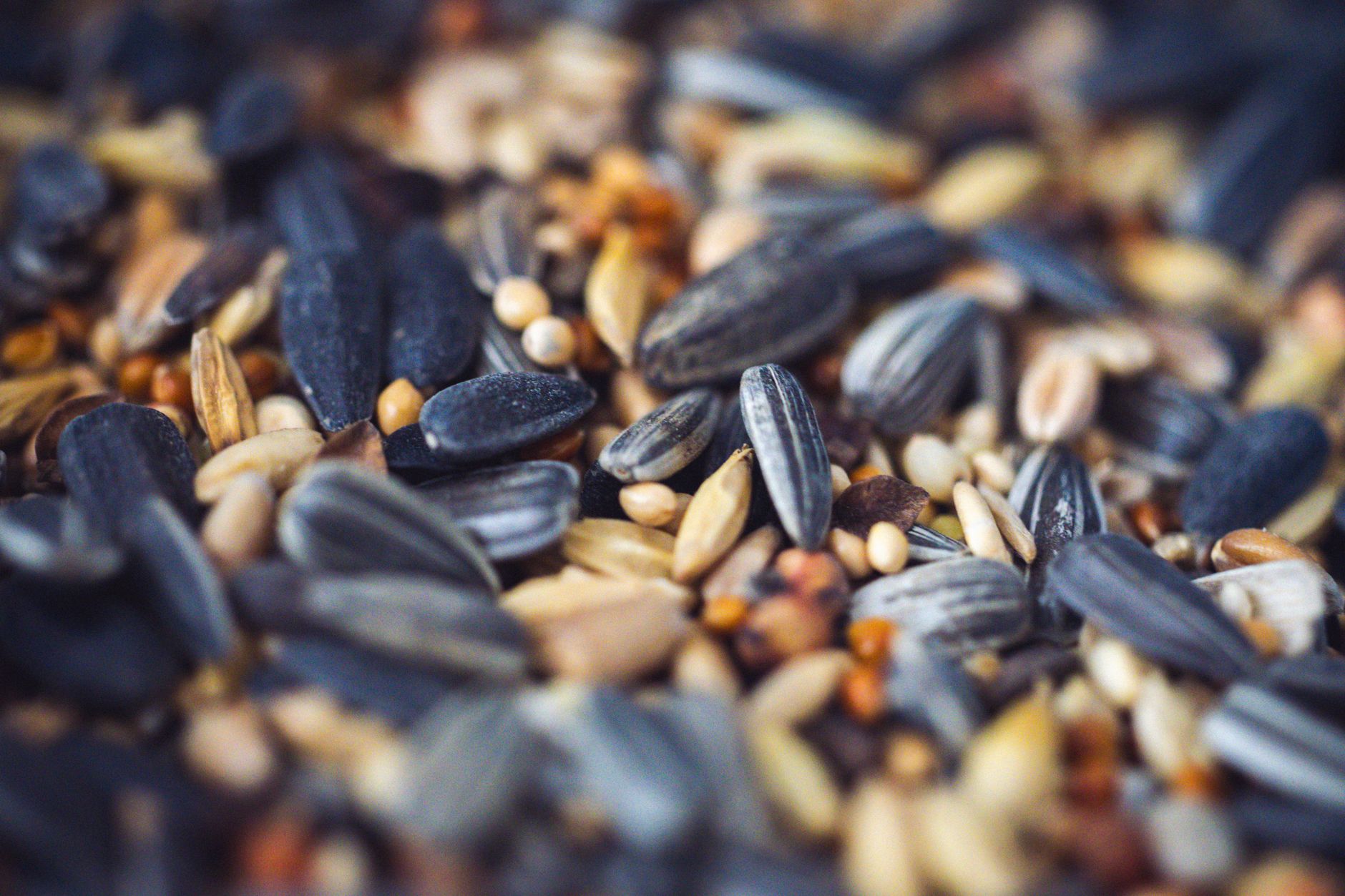
Not all seed blends are created equal. Black oil sunflower seeds are favored by a wide variety of birds due to their thin shells and high oil content, making them a staple in most quality blends. Millet attracts sparrows and juncos but is often ignored by larger birds. Cracked corn is cheap filler but mainly appeals to ground feeders like doves and pigeons. Avoid mixes heavy on filler seeds like red millet or oats if you want to attract a broader species range. A good mix balances black oil sunflower with some millet and sunflower hearts to hit both high nutrition and bird variety.
Hull and Shell Mess Level
Seed hull mess is a major pain point. Hulled seeds produce less waste but cost more. Mixes that include whole sunflower seeds shed shells everywhere, creating extra cleanup and possibly attracting unwanted rodents. If cleanup is a priority, look for mixes with hulled sunflower hearts or safflower seed, which birds love but rodents often avoid. There's a trade-off here: pure hulled mixes attract fewer species but reduce mess significantly.
Price vs Value: Bulk Size and Quality
Buying bird seed in bulk can save money but quality varies widely. Ultra-cheap seed often includes filler seeds birds won't eat, leading to waste and more frequent refills. Premium blends with higher sunflower seed content cost more upfront but deliver better value by attracting more birds and reducing waste. Check for freshness and packaging — oxygen barrier bags keep seed fresher longer.
Seed Freshness and Storage
Seed freshness impacts bird health and feeding success. Old or poorly stored seed can develop mold or lose nutritional value, deterring birds. Always buy from reputable brands with sealed packaging. Store seed in a cool, dry place in airtight containers to keep pests out and extend shelf life. If you're unsure about seed quality, test a small amount first before buying in bulk.
Choosing the best bird seed blend is nuanced but worth the effort. If you want tips on feeding equipment, our guide on Automatic vs Manual Bird Feeders (2026) – Honest Comparison for Hassle-Free Wild Bird Feeding breaks down feeder types that pair best with different seed blends.
🟦 Kaytee Wild Bird Food Premium Blend — Best Overall
Kaytee is a trusted name in bird feeding, and their Premium Blend stands out for combining quality seeds that attract a broad range of wild birds without excessive filler. This 10-pound bag mixes black oil sunflower, millet, cracked corn, and safflower, delivering excellent nutrition and variety.
Who it's for
This blend is perfect for bird watchers who want to attract songbirds, finches, cardinals, and woodpeckers with minimal fuss. It’s ideal for suburban and rural homeowners who want a lively feeder that draws diverse visitors year-round.
Real-world performance
In daily use, Kaytee's blend consistently attracts more species than budget mixes. The black oil sunflower seeds are a magnet for cardinals and chickadees, while the safflower helps deter squirrels. The cracked corn is a bit of filler but not excessive, so waste is manageable. One quirk: the cracked corn can attract pigeons, so be prepared to manage feeder placement. The seed remains fresh well in resealable packaging, and the mix doesn’t spoil quickly.
Value assessment
This blend is priced moderately but offers superior bird diversity and less waste than cheaper options. The resealable bag is a nice touch for freshness. Compared to Wagner’s premium mix, it’s more affordable but still high quality. If budget allows, Kaytee’s blend is the sweet spot between cost and performance.
Verdict: Kaytee Wild Bird Food Premium Blend offers the best balance of bird variety, quality, and reasonable price — the top pick for most wild bird feeder enthusiasts.
🟩 Pennington Backyard Blend Wild Bird Seed — Best Budget Option
Pennington’s Backyard Blend is an excellent entry-level choice for bird lovers who want a functional seed mix without a premium price tag. It primarily features black oil sunflower and milo, which attracts common backyard birds like cardinals and finches.
Who it's for
Great for new bird feeders or those on a budget who still want to see colorful visitors. Ideal for casual backyard feeding without the need for specialty blends or extensive cleanup.
Real-world performance
The black oil sunflower seeds attract most common species reliably, but the heavier milo seeds are less popular and often wasted. There is a bit more hull mess compared to higher-end blends, and the seed can clump slightly in damp weather. It’s a straightforward mix with no frills — it works but lacks the finesse of pricier blends.
Value assessment
Pennington’s mix delivers solid performance for its price. While it sacrifices some bird diversity and creates more shell mess, it’s a reliable budget buy. For feeders near open ground or those who don't mind daily cleanup, it’s a good choice.
Verdict: Pennington Backyard Blend is the best budget bird seed mix that delivers consistent results without breaking the bank.
🟨 Wagner's Wild Bird Food Supreme Blend — Best Long-Term Investment
Wagner’s Supreme Blend is a premium option that justifies its higher price with quality ingredients and thoughtful seed selection. Featuring hulled sunflower hearts and safflower seed, it minimizes waste and attracts a wide bird variety, including some more finicky species.
Who it's for
Perfect for dedicated bird enthusiasts who prioritize low mess and high-quality nutrition. Also great for feeders in areas prone to squirrel or rodent problems, as safflower is less appealing to pests.
Real-world performance
In practice, Wagner’s blend attracts a diverse crowd — finches, nuthatches, and woodpeckers come regularly. The lack of hulls means less mess under the feeder, making cleanup easier. Compared to Kaytee’s blend, it’s cleaner but slightly less attractive to seed-eating ground birds due to no cracked corn. The packaging is durable and keeps seed fresh for months.
Value assessment
While the upfront cost is higher, less waste and less frequent refills can make Wagner’s blend more economical over time. It’s also a better pick for those who want to avoid feeder mess and pests. For those considering multiple feeders or larger outdoor spaces, this is a smart long-term choice.
If you're also interested in automating feeding for your pets, our guide on Best Automatic Cat Feeders (2026) offers insights on reliable, convenient feeding solutions.
Verdict: Wagner’s Wild Bird Food Supreme Blend is the best long-term investment for serious bird feeders who want quality, minimal mess, and consistent bird diversity.
📊 Side-by-Side Comparison
Kaytee Wild Bird Food Premium Blend
- Balanced seed mix attracts diverse birds
- Resealable packaging for freshness
- Moderate price with high value
Pennington Backyard Blend Wild Bird Seed
- Budget-friendly mix
- Reliable for common backyard birds
- Widely available
Wagner's Wild Bird Food Supreme Blend
- Hulled seeds minimize mess
- Attracts more finicky birds
- High-quality, fresh packaging
*Prices are approximate and may change. Always check the live price on Amazon before buying.
✅ Our Recommendation
For most wild bird feeder owners, Kaytee Wild Bird Food Premium Blend hits the sweet spot of bird diversity, affordability, and manageable cleanup. If you’re on a tighter budget or just starting, Pennington Backyard Blend gets the job done reliably. For those who want to invest in a cleaner, higher-quality experience that lasts, Wagner’s Supreme Blend is worth the premium.
- Best overall: Kaytee Wild Bird Food Premium Blend — balanced, attracts many species, and reasonably priced
- Best budget pick: Pennington Backyard Blend Wild Bird Seed — solid performance for common birds at a low price
- Best long-term value: Wagner's Wild Bird Food Supreme Blend — premium seed with less mess and better long-term feeding
❓ Frequently Asked Questions
What is the best bird seed for wild bird feeders to attract songbirds?
Black oil sunflower seed is the best choice to attract a wide variety of songbirds like cardinals, chickadees, and finches. Mixes that include hulled sunflower hearts and safflower seed also help draw finicky species while reducing shell mess.
How to choose between hulled and unhulled bird seed for wild feeders?
Hulled seeds produce less shell debris, reducing cleanup and discouraging rodents, but they tend to be pricier and attract fewer ground feeders. Unhulled seeds like whole sunflower offer more variety but create more mess. Your choice depends on whether you prioritize bird diversity or ease of maintenance.
Is bird seed safe for wild birds year-round?
Yes, quality bird seed is safe year-round if kept fresh and dry. Avoid moldy or old seed, which can harm birds. During winter, high-fat seeds like black oil sunflower help birds maintain energy.
How often should I refill my wild bird feeder with seed?
Refill frequency depends on feeder size and bird activity but generally every 2–3 days in spring and summer, more often in winter when birds consume more. Watch for mold or damp seed and replace promptly.
What’s the best bird seed for squirrels and rodents avoidance?
Safflower seed is less appealing to squirrels and rodents but still loved by many songbirds. Mixes high in safflower and low in cracked corn or millet help reduce pest visits.