The Best Reptile Enclosures for Tropical Species That Actually Work
Choosing the right reptile enclosure for tropical species isn’t just about size or aesthetics — it’s about maintaining consistent heat and high humidity levels without constant fiddling. Many enclosures claim to be “tropical-ready” but fail to deliver proper moisture control or durable materials, leading to stressed reptiles and wasted money.
Here’s what we looked at when picking the best options:
- Humidity retention and ventilation balance
- Quality and durability of materials
- Access and ease of maintenance
🔝 Top Picks at a Glance

Exo Terra Glass Terrarium XXL
Exceptional humidity control with a front-opening design and durable glass construction, ideal for larger tropical reptiles.
Zoo Med ReptiBreeze Screen Cage 24x18x24
Affordable, well-ventilated screen cage perfect for tropical species needing airflow with supplemental humidity control.
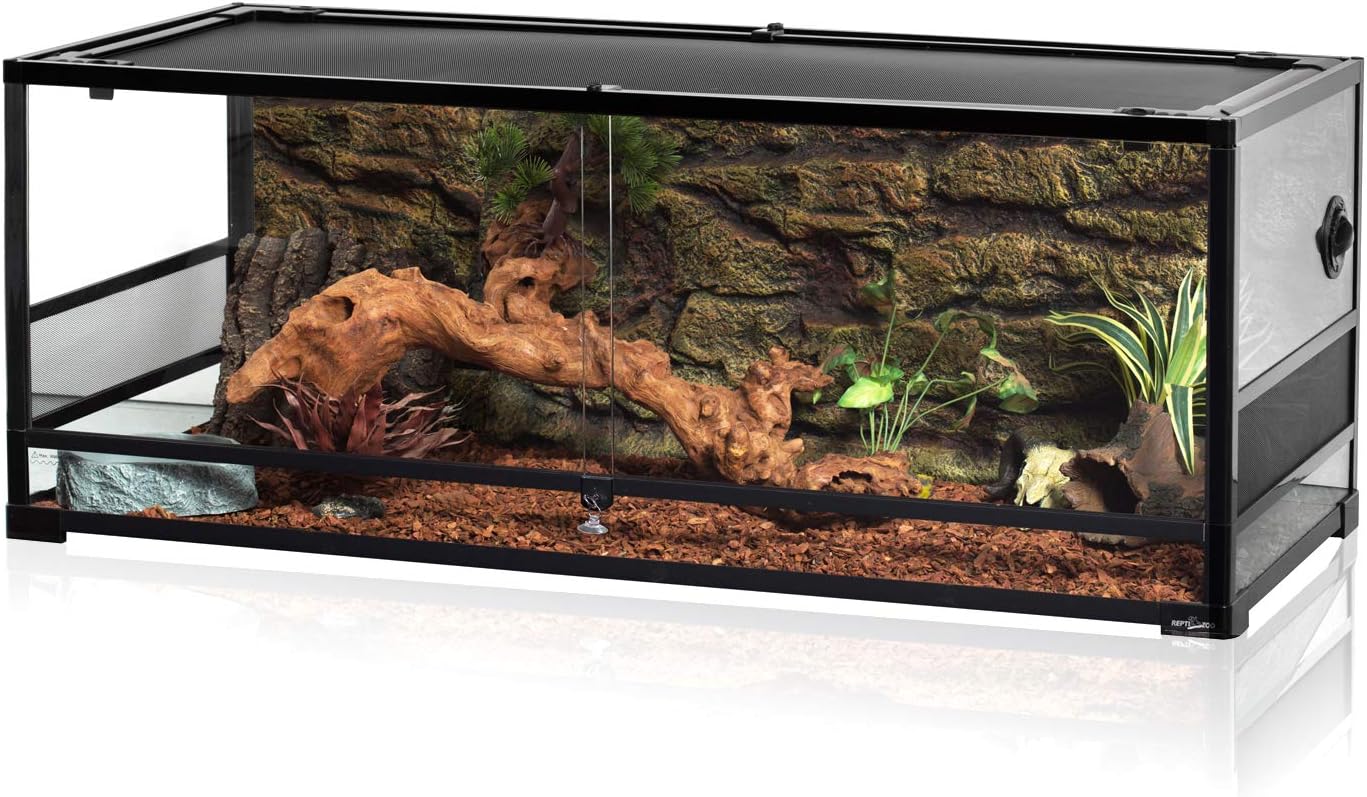
Vivariums 36” Wide Tropical Reptile Terrarium
Premium hardwood frame and sealed glass panels provide stable humidity and temperature for demanding tropical reptiles.
🧠 What to Look for Before You Buy
Reptile enclosures for tropical species seem straightforward, but the devil’s in the details. Many owners underestimate how crucial humidity control and ventilation balance are for tropical reptiles like anoles, dart frogs, or green tree pythons. A cage that’s too dry or poorly ventilated can cause serious health issues like dehydration or respiratory infections.
Humidity Control and Ventilation
Tropical species require a stable, high humidity environment often between 60-80% RH. Enclosures made entirely of screen or mesh offer excellent airflow but struggle to maintain moisture, forcing you to mist constantly or add complicated humidity systems. Conversely, sealed glass tanks hold humidity better but risk overheating without proper vents.
Look for enclosures with adjustable ventilation panels or front-opening glass doors that allow you to control airflow while retaining moisture. For example, the Exo Terra terrarium uses sliding glass doors with a locking latch and ventilation holes positioned for ideal humidity balance.
Material Quality and Durability
Cheap plastic or flimsy screen cages may be lightweight but won’t hold up long-term, especially in humid environments that encourage mold or warping. Glass terrariums with metal or hardwood frames are more durable and easier to clean. Some wood frames are treated to resist moisture but avoid untreated wood as it can rot.
Models with powder-coated aluminum or steel mesh resist rust better than cheaper metals. Consider the long-term reliability of materials over flashy design.
Access and Maintenance
Daily maintenance like feeding, misting, and substrate cleaning is easier with front or top-opening doors that provide wide access. Deep or awkwardly shaped cages make it tough to reach corners without disturbing your reptile.
A practical tip: before buying, measure your intended space and test door openings to ensure you can comfortably access the entire enclosure. This is crucial for setups with live plants or complex climbing structures.
Size and Expandability
Tropical reptiles often appreciate vertical space for climbing, so height matters as much as floor area. Some enclosures offer modular add-ons or stacking options if you plan to expand your collection.
Spending more upfront on a slightly larger or more versatile enclosure can save headaches later. Budget options are fine for young or smaller species but may need upgrading as your reptile grows.
If you're also managing humidity concerns for reptiles, our guide on best reptile humidifiers for terrariums (2026) breaks down the top options for moisture control.
🟦 Exo Terra Glass Terrarium XXL — Best Overall
Exo Terra is a brand known for terrariums designed with tropical reptiles in mind. The XXL Glass Terrarium stood out for combining thick, clear glass with adjustable ventilation and a front-opening double-door design. This model nails humidity retention without sacrificing airflow.
Who it's for
Ideal for owners with medium to large tropical reptiles who want a durable, moisture-friendly enclosure that’s easy to access and maintain.
Real-world performance
Daily misting and humidity levels are easier to manage with this enclosure. The sliding front glass doors lock securely but open wide for feeding or cleaning. Ventilation slots on the sides provide consistent airflow without drying out the habitat. The glass is thick and scratch-resistant, and the metal frame resists rust even in humid setups.
It’s heavier than some plastic or screen cages, so expect more effort moving it around. Some users note condensation buildup on glass, but that’s expected in tropical setups and manageable with proper ventilation adjustments.
Value assessment
This terrarium is pricier than budget screen cages but offers features that justify the premium: longevity, humidity control, and ease of use. It’s a solid investment for serious tropical keepers who want to avoid constant troubleshooting.
Verdict: The Exo Terra Glass Terrarium XXL balances humidity control, durability, and accessibility better than any competitor at this price point.
For reptile owners who also juggle other pet care chores efficiently, check out our picks for Best Automatic Cat Water Dispensers vs Bowls (2026) to keep hydration simple across your household.
🟩 Zoo Med ReptiBreeze Screen Cage 24x18x24 — Best Budget Option
Zoo Med’s ReptiBreeze Screen Cage offers solid build quality with a focus on airflow, making it a budget-friendly choice for tropical reptiles that tolerate or benefit from enhanced ventilation.
Who it's for
Best for owners who prioritize ventilation and affordability and are ready to supplement humidity manually with daily misting or automated systems.
Real-world performance
The all-screen design means humidity escapes more quickly than glass cages, so expect to mist more often or use a misting system. The aluminum frame is lightweight and rust-resistant, making it easy to move or clean. The top-opening lid provides excellent access.
It’s not ideal for species that require very high humidity without frequent intervention. However, for moderately humid species or those in a naturally humid room, it performs well.
Value assessment
While it lacks the moisture retention of glass terrariums, it costs half or less and delivers durability and airflow that reduce heat buildup. This makes it a smart budget pick if you’re prepared for regular humidity management.
Verdict: The ReptiBreeze offers excellent value for tropical reptile owners who want a durable, well-ventilated enclosure without breaking the bank.
🟨 Vivariums 36" Wide Tropical Reptile Terrarium — Best Long-Term Investment
This Vivariums terrarium is built for longevity with a hardwood frame sealed against moisture and thick glass panels that provide excellent humidity and temperature stability.
Who it's for
Perfect for dedicated tropical reptile keepers who want a reliable, stylish enclosure that lasts for years and supports complex habitat setups.
Real-world performance
The hardwood frame adds a premium feel and resists warping with its moisture seal. The sliding glass doors offer wide access, and ventilation can be adjusted with removable side panels. This enclosure holds humidity consistently without requiring excessive misting.
Compared to the Exo Terra, it’s bulkier and heavier but offers better insulation and a more natural look that blends into home decor. It’s a bit pricier upfront but designed for serious keepers.
Value assessment
The initial cost is higher, but this enclosure’s durability and stable environment reduce the need for upgrades or replacements. If you’re raising high-maintenance tropical reptiles, this saves money and stress over time.
For those investing in habitat quality, understanding humidity management is key — see our detailed breakdown in Automatic vs Manual Reptile Misting Systems (2026).
Verdict: The Vivariums 36" terrarium is the best investment for tropical reptile owners who want a long-lasting, humidity-friendly enclosure.
📊 Side-by-Side Comparison
Exo Terra Glass Terrarium XXL
- Excellent humidity retention
- Durable thick glass
- Front-opening doors for access
Zoo Med ReptiBreeze Screen Cage 24x18x24
- Affordable
- Excellent ventilation
- Lightweight and durable frame
Vivariums 36” Wide Tropical Reptile Terrarium
- High durability hardwood frame
- Stable humidity and temperature
- Stylish design
*Prices are approximate and may change. Always check the live price on Amazon before buying.
✅ Our Recommendation
For the majority of tropical reptile owners looking for the best reptile enclosures for tropical species, the Exo Terra Glass Terrarium XXL strikes the perfect balance of humidity control, durability, and ease of maintenance. If budget is tight and you can manage supplemental humidity, the Zoo Med ReptiBreeze offers solid ventilation and build quality at a fraction of the cost. For those seeking a premium, future-proof setup, the Vivariums hardwood terrarium delivers unmatched stability and longevity.
- Best overall: Exo Terra Glass Terrarium XXL — best humidity retention and access for tropical reptiles
- Best budget pick: Zoo Med ReptiBreeze Screen Cage — affordable, ventilated option for species tolerating moderate humidity
- Best long-term value: Vivariums 36" Wide Tropical Reptile Terrarium — top-tier durability and stable environment for serious keepers
❓ Frequently Asked Questions
What is the best reptile enclosure for tropical species that need high humidity?
The best enclosures for tropical species maintain humidity between 60-80% reliably. Glass terrariums with adjustable ventilation, like the Exo Terra Glass Terrarium XXL, hold moisture well while allowing airflow. Avoid all-screen cages unless you supplement humidity frequently with misting or automated systems.
Screen cage vs glass terrarium: which is better for tropical reptiles?
Screen cages provide excellent ventilation but struggle to retain humidity, making them better suited for species needing drier air or owners willing to mist often. Glass terrariums trap humidity better and create more stable environments but require good ventilation controls to prevent overheating. Choose based on your species’ humidity needs and maintenance preferences.
Are reptile enclosures safe for tropical species in terms of ventilation and heat?
Safety depends on proper ventilation to prevent respiratory issues and a heat source that mimics natural environments without hotspots. Enclosures like the Vivariums terrarium offer balanced ventilation and insulation. Always follow vet-recommended temperature and humidity guidelines for your specific reptile.
How often should I mist a tropical reptile enclosure?
Most tropical species need daily misting to maintain humidity unless you have a sealed glass terrarium with good moisture retention. Use a hygrometer to monitor levels and adjust misting frequency. Automated misting systems can help maintain steady humidity without daily manual effort.
What size reptile enclosure is best for tropical species like dart frogs or anoles?
Size depends on the species’ activity level and adult size. For arboreal tropical species like dart frogs or anoles, vertical space is critical — look for enclosures at least 18” tall and with climbing structures. Floor area should allow natural behaviors without overcrowding. Larger enclosures also help maintain stable temperature and humidity.