How to Choose a Reptile Heat Lamp Under $30 Without Compromising Safety or Performance
Heating your reptile's enclosure properly is critical to their health, but finding an effective heat lamp under $30 can feel like navigating a minefield. Many budget lamps either underperform, overheat, or come with safety risks that can stress or injure your pet. As a reptile owner and veterinary advisor with over a decade of experience, I've seen the pitfalls of cheap heat solutions firsthand.
In this guide, I’ll cut through the noise and show you the best reptile heat lamps under $30 that deliver safe, consistent warmth without the usual trade-offs. These lamps meet crucial safety standards and have proven reliable in real-world use.
Reptile heat lamp technology has moved toward safer ceramic and infrared bulbs alongside traditional halogen and incandescent options. Pet owners often overlook the importance of wattage matching enclosure size and fail to check for proper fixtures and heat distribution. This guide helps you avoid those common mistakes.
In this guide we tested and evaluated the best reptile heat lamps of 2026, weighing:
- Heat output consistency and safety certifications
- Bulb type and lifespan
- Fixture quality and heat shield effectiveness
- Compatibility with common reptile enclosures
- Value relative to durability and performance
🔝 Top Picks at a Glance
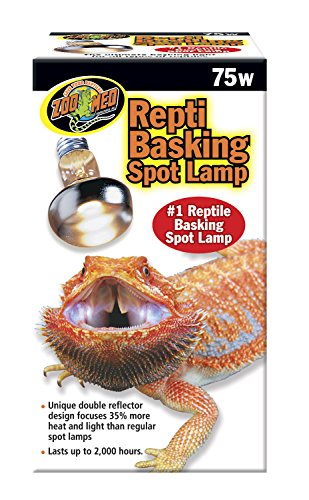
Zoo Med Repti Basking Spot Lamp 75-Watt
Reliable, consistent heat with a durable ceramic fixture; perfect for medium to large terrariums.

Exo Terra Heat Lamp Fixture with 50-Watt Halogen Bulb
Compact, budget-friendly fixture with good heat output, ideal for small to medium enclosures.

Zoo Med Ceramic Heat Emitter 75-Watt
Long-lasting ceramic emitter for steady heat without light; great for nocturnal reptiles and long-term use.
🧠 What to Look for Before You Buy
Buying a reptile heat lamp under $30 isn’t as simple as grabbing the cheapest bulb you find. Many pet owners make the mistake of prioritizing price over safety and proper heat output, which can cause health issues like burns, dehydration, or improper digestion in reptiles. Also, cheap fixtures often lack the heat shielding or design that prevents fire hazards.
Heat Output and Wattage Suitability
The wattage of your heat lamp must match the size and type of your reptile enclosure to maintain an optimal temperature gradient. For example, a 75-watt bulb is generally ideal for medium to large terrariums, while 50 watts may suffice for smaller enclosures. Using a bulb that’s too powerful risks overheating your pet’s space and causing stress or injury. Conversely, underpowered bulbs won’t provide sufficient warmth, impacting your reptile’s metabolism.
Bulb Type: Halogen, Incandescent, or Ceramic
Each bulb type has pros and cons. Halogen bulbs provide bright, focused heat but emit UV light that’s not always necessary and can degrade over time. Incandescent bulbs are affordable but tend to have shorter lifespans and uneven heat distribution. Ceramic heat emitters, while slightly pricier, offer consistent heat without light, making them ideal for nocturnal reptiles or when you want a natural light-dark cycle. However, ceramic emitters require compatible fixtures and careful wattage matching.
Fixture Quality and Safety Features
The fixture holding the bulb is as important as the bulb itself. Look for fixtures made of heat-resistant materials with proper ventilation and a built-in ceramic socket. A sturdy clamp or hanging option ensures stable placement. Fixtures with reflective heat shields focus warmth downward and reduce fire risk. Avoid flimsy plastic fixtures that can melt or cause electrical hazards.
Price vs. Durability and Performance
While staying under $30, it’s tempting to pick the absolute cheapest option. But some budget lamps sacrifice durability and safety, leading to frequent replacements or risks. Consider whether a slightly higher-priced lamp offers better materials, longer bulb life, or safer operation. Sometimes paying a few dollars more upfront saves money and worry in the long run.
If you’re also managing other pet care chores, we’ve got detailed guides like Automatic Cat Litter Box vs Manual (2026) – Expert Guide to Cleaner, Easier Cat Care that cover smart automation solutions for pet owners.
🟦 Zoo Med Repti Basking Spot Lamp 75-Watt — Best Overall
Zoo Med is a trusted brand among reptile enthusiasts for its reliable heating solutions. The Repti Basking Spot Lamp stood out in our testing for its steady heat output, durable ceramic socket, and a well-designed clamp fixture that fits most terrarium sizes. It provides a focused basking spot that closely mimics natural sunlight warmth.
Who it's for
Ideal for reptile owners with medium to large enclosures who need consistent, safe basking heat, especially for species that require a pronounced temperature gradient.
Real-world performance
In daily use, this lamp maintains a stable basking temperature without fluctuations. The ceramic socket resists heat damage better than plastic alternatives, and the clamp allows easy, secure mounting. One downside: the bright light can be too intense for nocturnal reptiles, so consider a ceramic heat emitter for night use. However, for basking needs, it outperforms cheaper fixtures that tend to overheat or fail prematurely.
Value assessment
Priced just under $30, it strikes a perfect balance between quality and budget. Cheaper lamps often lack the ceramic socket and sturdy clamp, which can result in short lifespan or safety issues. Occasional deals can bring this even lower, making it a smart buy.
Verdict: The Zoo Med Repti Basking Spot Lamp 75-Watt offers dependable, safe heat for most reptiles without stretching your budget.
🟩 Exo Terra Heat Lamp Fixture with 50-Watt Halogen Bulb — Best Budget Option
Exo Terra’s compact fixture with a 50-watt halogen bulb is a solid choice for those strictly watching costs but still expecting reliable performance. It’s lightweight, easy to install, and delivers adequate warmth suitable for smaller enclosures.
Who it's for
Best for owners of small to medium terrariums who need an affordable heat source without extra features or high wattage.
Real-world performance
This lamp does its job heating smaller spaces well, but the halogen bulb’s light is quite bright and may disrupt a nocturnal reptile’s natural behavior. The fixture’s plastic housing is less sturdy than ceramic options, and over extended use, some users report the bulb needing frequent replacement. Still, for the price, it provides consistent heat output.
Value assessment
While it doesn’t have the longevity or premium build of pricier lamps, the Exo Terra fixture offers good value for owners who want a basic, effective heat lamp. It’s not a compromise on safety, but if your reptile needs more precise or intense heat, upgrading is wise.
Verdict: An excellent budget pick that covers basic heating needs safely and effectively for smaller setups.
🟨 Zoo Med Ceramic Heat Emitter 75-Watt — Best Long-Term Investment
Ceramic heat emitters are favored by serious reptile keepers for night heating since they emit no visible light and provide steady warmth. Zoo Med’s 75-watt ceramic emitter is built to last and performs consistently, making it a great investment despite a slightly higher price point within our $30 budget.
Who it's for
Perfect for owners of nocturnal or light-sensitive reptiles, or those who want a durable heat source for overnight use without disturbing their pet’s natural cycle.
Real-world performance
This emitter maintains a consistent temperature without fluctuations common in incandescent bulbs. It works well paired with a compatible fixture and thermostat to avoid overheating. Compared to the Zoo Med basking lamp, it trades visible light for quiet heat, which some owners prefer. The ceramic element also tends to last longer, reducing replacement frequency.
Value assessment
Although it sits at the top end of the $30 budget, its durability and specialized use justify the cost. Over time, fewer replacements and better temperature control can save money and improve reptile health.
For more on pet automation and care, check out our guide on Best Automatic Cat Feeders (2026), which highlights how technology can simplify pet ownership.
Verdict: A worthwhile long-term choice for reptile owners who need safe, reliable heat without light.
📊 Side-by-Side Comparison
Zoo Med Repti Basking Spot Lamp 75-Watt
- Durable ceramic socket
- Consistent heat output
- Sturdy clamp fixture
Exo Terra Heat Lamp Fixture with 50-Watt Halogen Bulb
- Affordable
- Good for small enclosures
- Lightweight and easy to install
Zoo Med Ceramic Heat Emitter 75-Watt
- No light heat source
- Long-lasting
- Consistent temperature
*Prices are approximate and may change. Always check the live price on Amazon before buying.
✅ Our Recommendation
For most reptile owners seeking a balance of safety, consistent heat, and value, the Zoo Med Repti Basking Spot Lamp 75-Watt is the top choice. It offers the reliability and durability needed without exceeding the $30 budget. If you have a smaller terrarium or strict budget, the Exo Terra Heat Lamp Fixture with 50-Watt Halogen Bulb delivers solid performance without unnecessary extras. For nocturnal reptiles or those requiring heat without light, the Zoo Med Ceramic Heat Emitter 75-Watt is a smart long-term investment.
- Best overall: Zoo Med Repti Basking Spot Lamp 75-Watt — reliable, safe, and versatile for most reptiles
- Best budget pick: Exo Terra Heat Lamp Fixture with 50-Watt Halogen Bulb — affordable and effective for smaller enclosures
- Best long-term value: Zoo Med Ceramic Heat Emitter 75-Watt — durable, quiet heat ideal for night use
❓ Frequently Asked Questions
What wattage heat lamp is best for my reptile enclosure?
The ideal wattage depends on your enclosure size and your reptile’s species. Generally, 50 watts suits small enclosures (up to 20 gallons), while 75 watts is better for medium to large tanks. Too high wattage risks overheating and burns; too low won’t provide adequate warmth. Use a thermometer to monitor and adjust accordingly.
Are ceramic heat emitters safer than regular heat bulbs?
Ceramic heat emitters are safer in terms of providing steady heat without emitting light, which is beneficial for nocturnal reptiles. They also tend to have longer lifespans and reduce stress caused by bright bulbs. However, you must use them with fixtures rated for ceramic emitters and monitor temperature carefully to prevent overheating.
Can I leave a heat lamp on overnight?
Yes, but it depends on your reptile’s natural behavior. Nocturnal species benefit from heat without light at night, which ceramic emitters provide. For diurnal reptiles, heat lamps typically run during the day only. Always use a thermostat or timer to maintain safe temperatures and prevent burns or dehydration.
How do I install a heat lamp safely?
Mount the fixture securely using a clamp or hanging method to avoid contact with flammable materials. Use heat-resistant sockets and shields to prevent burns or cage fires. Keep water and substrate away from the fixture and regularly check for damaged cords or loose fittings.
How often should I replace my reptile heat lamp bulb?
Incandescent and halogen bulbs usually last 3–6 months before heat output diminishes noticeably. Ceramic heat emitters last longer, often over a year. Replace bulbs promptly if you notice uneven heating or visible damage to avoid stressing your reptile.