The Best Reptile Substrate for Moisture Control That Actually Work
Finding the best reptile substrate for moisture control is trickier than it looks. So many products either hold too much moisture and turn into a swamp or dry out too fast, stressing your reptile and creating sanitation headaches. Marketers love to hype “natural” or “moisture-retentive” substrates without telling you about mold risks or how often you’ll need to clean.
Here's what we looked at when picking the best options:
- Moisture retention balance (not too wet, not too dry)
- Mold and odor resistance
- Safety and suitability for different reptile species
🔝 Top Picks at a Glance

Zoo Med Eco Earth Coconut Fiber Reptile Substrate
Stands out for excellent moisture regulation and natural look, perfect for tropical reptiles needing humidity.

Zoo Med Forest Floor Organic Reptile Substrate
Best budget-friendly option that controls moisture well and is safe for many reptile species.

Exo Terra Plantation Soil Natural Substrate
Expensive but worth it for long-term durability and superior moisture control in bioactive setups.
🧠 What to Look for Before You Buy
Picking the right reptile substrate for moisture control isn’t just grabbing whatever looks natural or has good reviews. Many owners fall into the trap of buying substrates that either trap too much moisture and cause mold or dry out instantly, forcing constant misting that stresses your pet. You want a substrate that balances moisture retention with breathability, is safe for your reptile’s species, and doesn’t turn into a hygiene nightmare.
Moisture Retention Balance
This is the core of the whole search. Some substrates soak up water and hold it forever — great if you want high humidity but terrible if it fosters mold or bacterial growth. Others dry out too fast, which means your reptile may not get the humidity it needs. For example, coconut fiber substrates like Zoo Med’s Eco Earth hit a sweet spot: they retain some moisture but break down slowly and resist mold better than plain soil.
Safety for Your Reptile Species
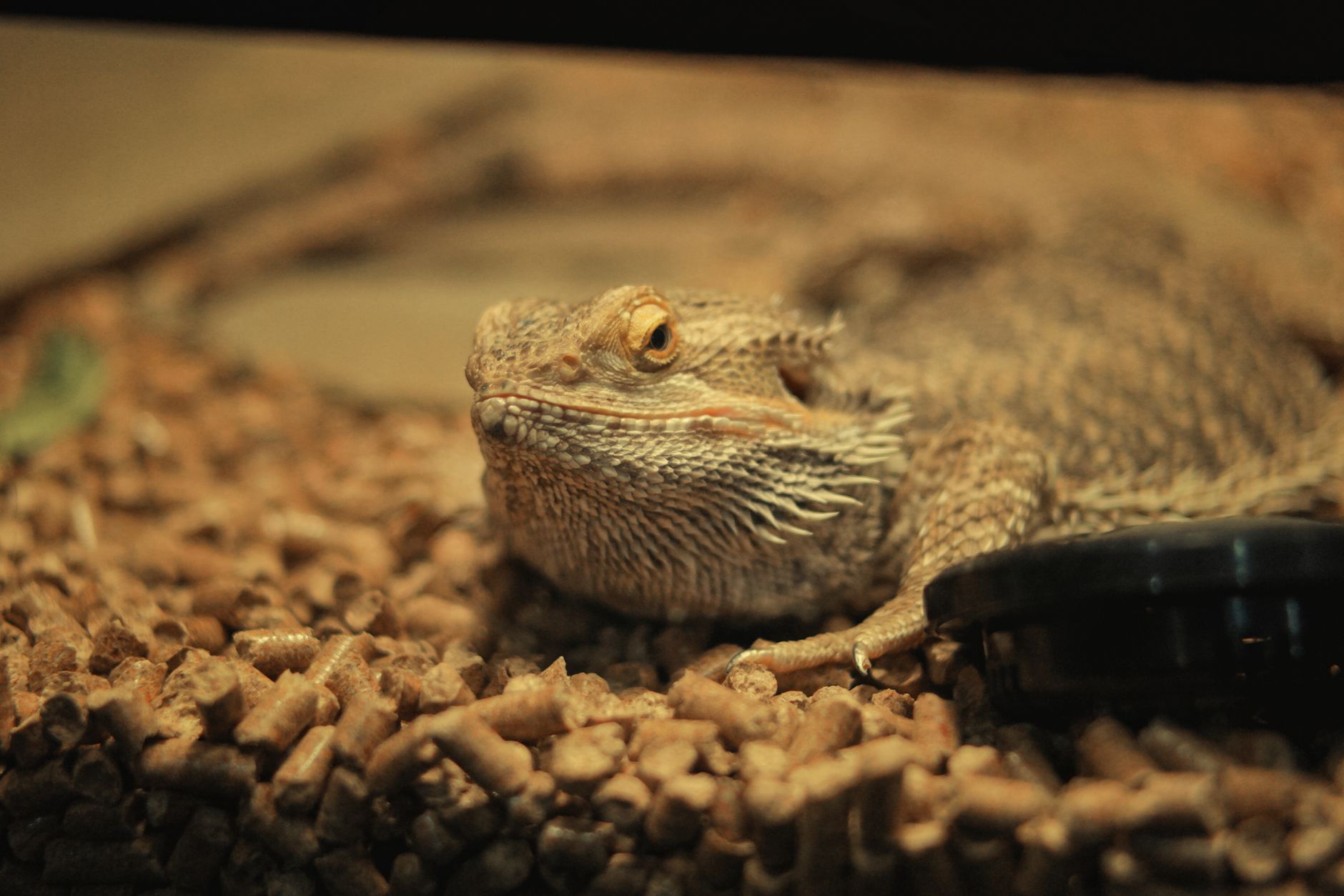
Not all substrates are safe for all reptiles. Fine particles can cause impaction if ingested by certain species like bearded dragons or leopard geckos. If you have burrowing reptiles, substrates should be loose but stable enough for digging without clumping. Organic substrates must be pesticide-free and clean — check for certifications or trusted brand sourcing.
Odor and Mold Resistance
Moisture without mold is the goal. Substrates that stay damp too long invite mold, which can cause respiratory issues for your reptile and foul smells. Some substrates include natural antifungal properties or are mixed with additives like charcoal to help with odor. A quick at-home test: wet a small amount and smell after 24 hours — if it smells sour or musty, skip it.
Price vs. Longevity
You’ll find cheap substrates that seem fine at first but break down fast, requiring frequent replacement. On the other hand, pricier substrates like Exo Terra’s Plantation Soil cost more upfront but last longer and maintain moisture balance better, saving money in the long run. If you’re setting up a bioactive terrarium, investing in a premium substrate pays off in stability and less maintenance.
If you’re also managing humidity for your reptile and want automated solutions, check out our guide on Automatic Cat Litter Box vs Manual (2026) – Expert Guide to Cleaner, Easier Cat Care — the principles of moisture control and odor management overlap surprisingly well.
🟦 Zoo Med Eco Earth Coconut Fiber Reptile Substrate — Best Overall
Zoo Med is a trusted name in reptile care, and their Eco Earth substrate nails moisture control for tropical species like crested geckos, dart frogs, and anoles. Unlike some coconut fiber substrates that turn to mush quickly, Eco Earth stays fluffy and absorbs humidity without molding fast. It’s also easy to spot clean without crumbling.
Who it's for
Ideal for owners of tropical or semi-arid reptiles who need a substrate that keeps humidity up without constant misting or risking mold. Also works for bioactive setups thanks to its natural fiber composition.
Real-world performance
In daily use, Eco Earth holds moisture well but doesn’t stay waterlogged, which keeps your terrarium fresh longer. It’s easy to moisten for maintaining humidity gradients that reptiles need. It’s not perfect — it can compact if overwatered and needs occasional fluffing — but it beats many competing brands on durability and odor control.
Value assessment
It’s priced moderately but delivers great longevity and safety, making it worth the cost for serious reptile keepers. Cheaper brands sometimes skimp on fiber quality, which means more frequent substrate replacement and potential health risks.
Verdict: Eco Earth is the best all-around substrate for moisture control that balances humidity, safety, and cleanliness without breaking the bank.
If you want to see how automatic solutions can reduce your terrarium maintenance workload, check out our take on Best Automatic Cat Feeders (2026) — automation in pet care isn’t just for cats!
🟩 Zoo Med Forest Floor Organic Reptile Substrate — Best Budget Option
This is your go-to if you want effective moisture control without spending much. Forest Floor is a blend of organic materials that keeps humidity stable and is safe for many species. It’s not as long-lasting as Eco Earth but does the job well in smaller enclosures or for casual keepers.
Who it's for
Perfect for beginners or reptile owners on a tighter budget who want a natural substrate that controls moisture better than plain soil or sand.
Real-world performance
It absorbs moisture reasonably well and doesn’t turn slimy too fast. However, it breaks down quicker, so you’ll need to replace it more often. It’s dusty out of the bag, so it needs good initial rinsing or misting.
Value assessment
You’re getting decent performance for a budget price, which is great if you’re experimenting or have smaller setups. Just don’t expect it to last as long or handle heavy moisture cycles the way premium substrates do.
Verdict: A solid budget substrate that manages moisture well enough for many reptiles but requires more frequent replacement.
🟨 Exo Terra Plantation Soil Natural Substrate — Best Long-Term Investment
Exo Terra’s Plantation Soil is pricier but designed for reptile keepers who want a premium, bioactive-friendly substrate that controls moisture and supports natural behaviors. It’s a rich blend of organic materials, holds moisture well without mold, and supports beneficial microorganisms.
Who it's for
Ideal for advanced keepers setting up bioactive terrariums or those with reptiles that require consistent humidity and substrate burrowing, like monitors or tropical snakes.
Real-world performance
It stays moist without getting soggy, promotes healthy terrarium micro-ecosystems, and lasts way longer than cheaper substrates. Compared to Eco Earth, it’s denser and heavier but better for mimicking natural soil conditions. It does cost more but reduces the frequency of substrate changes and improves reptile welfare.
Value assessment
Spending more upfront pays off if you want a long-term, low-maintenance setup. Saves money on replacement substrate and reduces cleaning time. For those curious about automated pet care tools, see our guide on Best Automatic Litter Boxes for Apartments (2026) to learn how automation can make pet care easier, even for reptiles.
Verdict: Plantation Soil is a premium substrate worth the investment for serious reptile owners aiming for natural, sustainable terrariums.
📊 Side-by-Side Comparison
Zoo Med Eco Earth Coconut Fiber Reptile Substrate
- Excellent moisture balance
- Natural and safe for tropical reptiles
- Resists mold and odor
Zoo Med Forest Floor Organic Reptile Substrate
- Affordable
- Good moisture control for the price
- Safe for many reptile species
Exo Terra Plantation Soil Natural Substrate
- Long-lasting
- Supports bioactive terrariums
- Superior moisture and mold resistance
*Prices are approximate and may change. Always check the live price on Amazon before buying.
✅ Our Recommendation
For most reptile owners looking for reliable moisture control without fuss, Zoo Med Eco Earth Coconut Fiber is the safe bet: it balances humidity, cleanliness, and safety without a premium price. If you’re just starting out or on a tight budget, Zoo Med Forest Floor offers surprisingly good moisture control at a low cost. For advanced keepers aiming for naturalistic bioactive setups and willing to invest upfront, Exo Terra Plantation Soil is the substrate that pays off in long-term health and maintenance savings.
- Best overall: Zoo Med Eco Earth Coconut Fiber Reptile Substrate — balanced moisture control, safety, and durability
- Best budget pick: Zoo Med Forest Floor Organic Reptile Substrate — affordable and moisture-managing for casual keepers
- Best long-term value: Exo Terra Plantation Soil Natural Substrate — premium, durable, and bioactive-friendly for serious terrariums
❓ Frequently Asked Questions
What is the best reptile substrate for moisture control in tropical terrariums?
The best substrates for tropical terrariums are those that hold humidity without becoming soggy or moldy. Coconut fiber-based substrates like Zoo Med Eco Earth offer excellent moisture retention balanced with breathability, helping maintain stable humidity levels without promoting mold growth.
Zoo Med Eco Earth vs Forest Floor: which is better for moisture control?
Eco Earth generally offers better moisture balance and lasts longer than Forest Floor. Forest Floor is a good budget option but breaks down faster and can require more frequent replacement. For optimal humidity management and durability, Eco Earth is preferable.
Is coconut fiber substrate safe for all reptiles?
Coconut fiber substrates are safe for many tropical species but may pose impaction risks for reptiles that ingest substrate, like bearded dragons. Always monitor your pet and choose substrate particle size appropriate for your species. Vet guidelines recommend avoiding loose substrates for some ground-dwelling reptiles.
How often should I change reptile substrate for moisture control?
It depends on the substrate and enclosure conditions, but typically every 1–3 months. Substrates that break down or harbor mold should be replaced sooner. Regular spot cleaning and substrate fluffing can extend intervals. Monitoring odor and mold growth helps decide timing.
What’s the best reptile substrate for moisture control for burrowing species?
For burrowing reptiles, loose yet stable substrates like Exo Terra Plantation Soil are ideal because they maintain moisture and provide structural support. Coconut fiber alone may be too loose or compact quickly. Combining soil-based substrates with fiber blends often works best.