Hamster Hideouts vs Tunnels: What Really Works for Your Small Pet
Hamster hideouts vs tunnels comparison is not just about picking a cute accessory—it’s about understanding how these products impact your hamster’s well-being. Many owners buy tunnels thinking more is better, but without proper size, material, and design, these can cause stress or injury. On the other hand, hideouts that don’t offer enough ventilation or space can lead to discomfort or even health risks.
Here's what we looked at when picking the best options:
- Material safety and chew resistance
- Size and fit for different hamster breeds
- Ease of cleaning and durability
🔝 Top Picks at a Glance
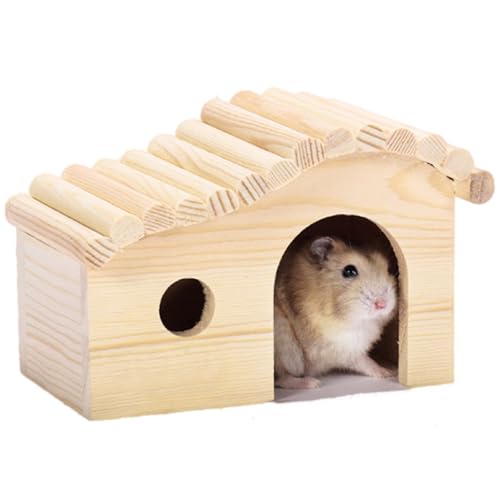
MidWest Critterville Wooden Hamster Hideout
Sturdy natural wood hideout with plenty of ventilation and chew-proof durability, ideal for hamsters who value privacy and security.

Kaytee CritterTrail Chew-Proof Plastic Hamster Tunnel
Affordable plastic tunnel system that's easy to assemble and clean, suitable for hamsters that love to explore.

Ware Manufacturing Hamster Hideout and Tunnel Set
Combination of hideout and tunnel in durable plastic with natural wood accents, designed for long-term enrichment and versatility.
🧠 What to Look for Before You Buy
Deciding between hamster hideouts and tunnels is trickier than it appears. Many owners assume that more tunnels equal more fun, but without the right size, material, and airflow, these can become hazards rather than enrichment. Conversely, hideouts that don’t accommodate your hamster’s burrowing instincts or fail to provide adequate ventilation can lead to stress or health issues.
Material Safety and Durability
Hamsters chew constantly, so materials must be non-toxic and chew-resistant to prevent ingestion of harmful substances. Wooden hideouts made from untreated, natural wood are generally safe and durable, but cheaper plastic tunnels often contain chemicals or thin walls that your hamster can quickly destroy, risking injury. For example, plastic tunnels with sharp edges after chewing can cause cuts. Always check for BPA-free plastics and avoid painted or varnished wood.
Size and Fit for Your Hamster
Hamster breeds vary in size, from tiny Roborovskis to larger Syrians. Tunnels and hideouts must accommodate your specific hamster’s body dimensions to prevent getting stuck or injured. Tunnels with diameters under 2.5 inches are often too tight for Syrians. Similarly, hideouts should offer enough internal space for comfortable rest without forcing a cramped posture.
Ventilation and Airflow
Hideouts with poor ventilation trap humidity and ammonia from urine, creating an unhealthy environment prone to respiratory issues. Look for models with multiple openings or mesh panels. Tunnels that are fully enclosed without air holes can cause overheating or stress. A practical test: place your hand inside the hideout or tunnel and check airflow before buying.
Ease of Cleaning and Maintenance
Hamsters are sensitive to dirty habitats. Tunnels and hideouts that are difficult to clean harbor bacteria and odors quickly. Modular plastic tunnels are easier to dismantle and sanitize but may degrade faster. Wooden hideouts require spot cleaning and occasional replacement but offer natural absorption of odors. Balance your cleaning routine with the product’s design.
If you're also balancing habitat enhancements with essential accessories, our guide on Best Hamster Bedding for Burrowing (2026) breaks down key substrate options.
🟦 MidWest Critterville Wooden Hamster Hideout — Best Overall
MidWest is known for quality small pet accessories, and their Critterville Hideout stands out for combining natural materials with thoughtful design. This wooden hideout offers a secure, chew-proof retreat that respects hamsters' natural instincts without the risks plastic tunnels sometimes bring.
Who it's for
Ideal for owners of medium to large hamsters, especially Syrians, who want a robust, natural-feeling hideout that doubles as a safe resting space.
Real-world performance
In daily use, this hideout holds up well against chewing, thanks to untreated hardwood. Ventilation holes on multiple sides prevent stuffiness, and the interior is spacious enough for burrowing behavior or nesting. Unlike plastic tunnels, it doesn't trap heat or odors. One downside: it’s heavier and less modular than plastic options, so it’s not suited for cage rearrangements on the fly.
Value assessment
Priced slightly above basic plastic tunnels, it offers a significant upgrade in pet safety and enrichment quality. The longevity and natural look justify the premium, making it a worthwhile investment. For smaller budgets, consider modular plastic kits, but beware of quality trade-offs.
Verdict: The MidWest Critterville Wooden Hideout is the best overall for durable, safe, and natural hamster enrichment.
🟩 Kaytee CritterTrail Chew-Proof Plastic Hamster Tunnel — Best Budget Option
Kaytee's CritterTrail tunnels offer an affordable, modular tunnel system that is easy to clean and assemble. It’s a practical introduction to hamster tunnels for owners on a budget.
Who it's for
Great for owners of smaller hamster breeds or those who want to test tunnels without committing much money.
Real-world performance
These tunnels provide decent ventilation through built-in holes and are lightweight for easy cage customization. However, the plastic is thin and prone to cracks and chew marks within weeks for aggressive chewers. The tunnel diameter is on the smaller side, limiting use for larger hamsters. Cleaning is straightforward, but the plastic can stain over time.
Value assessment
At this price point, the Kaytee tunnels deliver basic functionality without frills. It’s a solid starter option but expect to replace parts regularly if your hamster is a heavy chewer. For many, this is a reasonable trade-off.
Verdict: A budget-friendly tunnel system that works well for small hamsters or casual use, but durability is limited.
🟨 Ware Manufacturing Hamster Hideout and Tunnel Set — Best Long-Term Investment
Ware Manufacturing blends wood and plastic for a hybrid hideout and tunnel set that aims to combine the best of both worlds: natural chew resistance plus modular design.
Who it's for
Perfect for dedicated hamster owners who want a versatile, long-lasting enrichment system adaptable as their pet grows or their cage setup changes.
Real-world performance
This set’s plastic tunnels are thicker and more chew-proof than typical budget options, and the wooden hideout section offers a cozy retreat with good ventilation. Assembly is straightforward but not as snap-together as cheaper plastic sets. Compared to the Kaytee tunnels, it holds up better to chewing and offers more space inside. The downside is a higher upfront cost and slightly bulkier components.
Value assessment
The higher price is balanced by durability and flexibility, reducing the need for frequent replacements. It also encourages natural behaviors by providing both hideout and exploration in one package. For long-term enrichment, this is smart spending.
For more on enriching small pet environments, check out our guide on Best Hamster Bedding for Burrowing (2026).
Verdict: A smart long-term investment for hamsters needing both secure hideouts and stimulating tunnels.
📊 Side-by-Side Comparison
MidWest Critterville Wooden Hamster Hideout
- Natural wood, chew-resistant
- Good ventilation
- Spacious interior
Kaytee CritterTrail Chew-Proof Plastic Hamster Tunnel
- Affordable
- Easy to clean
- Modular design
Ware Manufacturing Hamster Hideout and Tunnel Set
- Durable hybrid materials
- Versatile setup
- Better chew resistance
*Prices are approximate and may change. Always check the live price on Amazon before buying.
✅ Our Recommendation
For most hamster owners, the MidWest Critterville Wooden Hamster Hideout offers the best balance of safety, natural materials, and space for your pet’s comfort. If budget is tight or you have a smaller hamster breed, the Kaytee CritterTrail tunnels provide a functional start with easy cleaning. For those wanting a flexible, durable setup that lasts and adapts to their hamster’s needs, the Ware Manufacturing hideout and tunnel set is worth the investment.
- Best overall: MidWest Critterville Wooden Hamster Hideout — durable, safe, and natural comfort
- Best budget pick: Kaytee CritterTrail Chew-Proof Plastic Hamster Tunnel — affordable, modular, and easy to clean
- Best long-term value: Ware Manufacturing Hamster Hideout and Tunnel Set — versatile, durable, and chew-resistant
❓ Frequently Asked Questions
What is the best hamster hideout vs tunnels option for a Syrian hamster?
Syrian hamsters need larger tunnels and hideouts due to their size. Wooden hideouts like the MidWest Critterville offer spacious interiors and chew resistance ideal for Syrians. Plastic tunnels designed for smaller breeds often fit too tightly and risk injury.
Hamster hideouts vs tunnels: which provides better mental stimulation?
Tunnels encourage exploration and exercise, stimulating your hamster’s curiosity. Hideouts provide security and rest. For balanced enrichment, combining both is best—hideouts for downtime, tunnels for active play.
Is it safe to use plastic tunnels for hamsters?
Plastic tunnels are safe if made from BPA-free, chew-resistant plastic with good ventilation. However, cheaper plastic often cracks or has sharp edges after chewing, which can harm your hamster. Wooden or hybrid options are generally safer long-term.
How often should hamster hideouts and tunnels be cleaned?
Spot clean weekly and deep clean monthly to prevent odor and bacteria buildup. Plastic tunnels can be washed with mild soap, while wooden hideouts require gentle wiping and drying to avoid mold.
What are the best hamster tunnels for dwarf hamsters?
Smaller diameter tunnels like Kaytee CritterTrail fit dwarf hamsters well, providing cozy passageways without risk of getting stuck. Ensure tunnels have ventilation holes and smooth edges for safety.