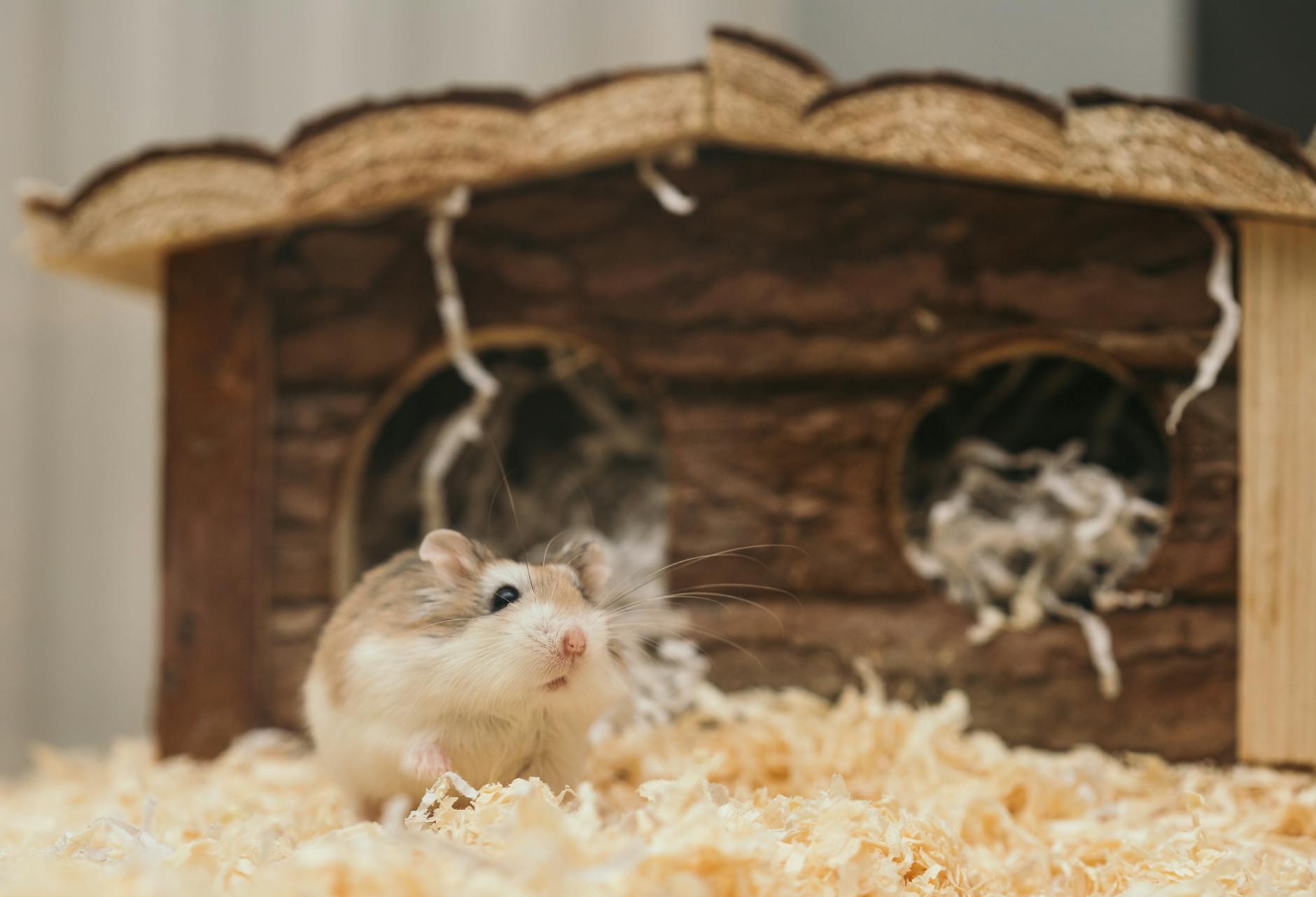
Hamster House vs Tunnel Homes: What Your Hamster Really Needs
Hamster house vs tunnel homes is a surprisingly nuanced debate. It’s not just about what looks cute or fits your budget — it’s about matching your hamster’s natural instincts and ensuring their safety, comfort, and mental well-being. Many owners grab the cheapest plastic tunnel set or a simple wooden house, only to find their hamster bored or stressed.
Here's what matters when choosing between a hamster house and tunnel system:
- Material safety and chew-resistance
- Size and ventilation for comfort
- Enrichment value and natural behavior encouragement
If you’re balancing space and stimulation, this breakdown will help you pick the right setup without wasting money or risking your hamster’s health.
🔝 Top Picks at a Glance

MidWest Critterville Hamster Habitat
A solid cage with a roomy plastic house and integrated tunnels that double as enrichment — perfect for owners who want a reliable all-in-one setup.

Kaytee My First Home Hamster House
Simple, affordable wooden house that encourages natural burrowing and nesting — ideal for owners on a budget who want natural materials.

Ware Manufacturing Tube Tunnel System for Hamsters
Durable, modular tunnel system that expands with your hamster’s needs — ideal for owners focused on long-term enrichment and cage customization.
🧠 What to Look for Before You Buy
Choosing between a hamster house and tunnel homes isn't just about aesthetics or price. Many hamster owners overlook safety and enrichment in favor of convenience or looks, which leads to bored or even injured hamsters. Materials that seem harmless can be toxic or easily destroyed, while cramped houses or tunnels can stress your pet.
Material Safety and Durability
Hamsters are relentless chewers, so your choice of material needs to withstand that. Plastic tunnels can trap moisture and encourage mold growth if not cleaned properly, plus some plastics degrade or contain harmful chemicals. Wooden houses are excellent for chewing but need to be untreated and splinter-free. Avoid painted or varnished wood—these can be toxic if ingested. Wire cages with plastic tubes are common but check the tube diameter carefully; too small and your hamster may get stuck.
Size and Ventilation
Hamsters need enough space to move freely and ventilated homes to prevent respiratory issues. A small wooden house might look cozy, but if it lacks ventilation holes or is too cramped, it can cause overheating or stress. Tunnels should be wide enough for your hamster’s breed—Syrian hamsters need larger tunnels than dwarfs. Also, consider that some tunnels can trap waste or bedding, which reduces cleanliness.
Enrichment and Natural Behavior Encouragement
Hamsters are natural burrowers and explorers. Tunnel systems mimic their wild environment better by allowing climbing and hiding. However, complex tunnel networks can be hard to clean and may discourage interaction if your hamster spends all day hidden. Houses offer a secure sleeping spot but limited exploration. Ideally, a setup combines both to balance enrichment and comfort.
Price Versus Long-Term Value
Budget options like simple wooden houses serve well initially but may need replacement as your hamster grows or chews through them. Tunnel systems are pricier but modular, allowing expansion over time. Cheaper plastic tunnels often crack or discolor quickly, leading to waste. Investing in durable, safe setups saves money and stress long-term.
If you want to dive deeper into small pet housing options, check out our detailed analysis on Hamster Cages versus Natural Habitats (2026) for broader context.
🟦 MidWest Critterville Hamster Habitat — Best Overall
MidWest is a trusted brand in small pet housing, known for durable cages and thoughtful design. The Critterville Habitat stands out because it combines a roomy built-in plastic house with an integrated tunnel system that encourages natural behavior without overwhelming your hamster.
Who it's for
Ideal for hamster owners who want an all-in-one setup that balances safety, enrichment, and ease of maintenance. Perfect if you have a Syrian hamster or a more active breed that needs space to explore.
Real-world performance
The plastic house is spacious with good ventilation holes, and the tunnels are wide enough to avoid trapping your hamster. The cage itself is sturdy, and the plastic components are chew-resistant to a point—though heavy chewers might need to monitor wear over time. Cleaning is straightforward since the house and tunnels detach easily. Compared to similar-priced cages, this one offers a better balance between enclosure and exploration space. A minor downside is that the plastic can feel a bit flimsy if handled roughly.
Value assessment
It’s not a budget buy, but the convenience and quality justify the price. Cheaper cages with tunnel add-ons often feel tacked on or unsafe. If you want a reliable starter home that lasts a couple of years and keeps your hamster engaged, this is a solid pick. Watch for discounts during sales for even better value.
Verdict: A dependable, well-rounded habitat that meets the key needs of most hamsters and their owners without overcomplicating things.
For more ideas on affordable, space-smart pet furniture, see our guide on Best Affordable Cat Scratching Posts for Apartments (2026).
🟩 Kaytee My First Home Hamster House — Best Budget Option
Kaytee’s wooden house is straightforward and natural, made from untreated wood that encourages chewing and burrowing. It doesn’t come with tunnels but serves as a solid, simple hideout that aligns with your hamster’s instincts.
Who it's for
Best for owners who want a natural, budget-friendly house to add inside an existing cage or playpen. Great if you prefer eco-friendly materials or have a hamster that enjoys nesting more than tunnel exploration.
Real-world performance
The untreated wood is safe and encourages chewing, which helps maintain dental health. Ventilation is decent with open slats, but it’s smaller than plastic houses, so it’s better suited for dwarf hamsters or as a secondary hideout. The house is lightweight and easy to clean but less durable over time—expect some wear if your hamster is a heavy chewer. It doesn’t offer the complexity of tunnels but provides a cozy, natural-feeling retreat.
Value assessment
At a fraction of the price of full habitats, this house delivers solid value if you don’t need integrated tunnels. It’s a sensible add-on or starter choice for budget-conscious owners who prioritize natural materials. Just be prepared to replace it every 6-12 months depending on chewing habits.
Verdict: A no-frills, safe wooden house that fits budget-minded owners wanting natural enrichment without extras.
🟨 Ware Manufacturing Tube Tunnel System for Hamsters — Best Long-Term Investment
Ware Manufacturing is known for modular, expandable tunnel systems that offer long-term enrichment. This tunnel system is made from sturdy, chew-resistant plastic with wide tubes and connectors that you can configure in many ways.
Who it's for
Perfect for owners prioritizing mental stimulation and willing to invest in a customizable setup that grows with their hamster’s activity level. Ideal if you already have a cage but want to upgrade with an engaging tunnel network.
Real-world performance
The plastic is more durable than typical tunnel toys and wide enough for Syrian hamsters. The modular design means you can add or rearrange tubes for variety. Cleaning requires some dismantling, which can be a hassle, but the pieces are dishwasher-safe. Some owners report condensation buildup inside the tunnels if not cleaned regularly. Compared to the MidWest habitat, this system offers more complexity but requires more maintenance.
Value assessment
Upfront cost is higher, but the ability to expand and customize means better long-term engagement. It’s a better investment than replacing cheap tunnels frequently. If you want a dynamic environment your hamster won’t tire of, this pays off.
If you’re also curious about how to keep small pets hydrated safely, our guide on Automatic Cat Water Dispensers vs Bowls (2026) has some surprisingly useful insights.
Verdict: A smart, expandable tunnel system that offers superior enrichment and durability for long-term hamster happiness.
📊 Side-by-Side Comparison
MidWest Critterville Hamster Habitat
- All-in-one cage with integrated tunnels
- Good ventilation and spacious house
- Easy to clean detachable parts
Kaytee My First Home Hamster House
- Natural untreated wood
- Encourages natural chewing
- Very affordable
Ware Manufacturing Tube Tunnel System for Hamsters
- Modular and expandable
- Wide, chew-resistant tubes
- Dishwasher-safe for thorough cleaning
*Prices are approximate and may change. Always check the live price on Amazon before buying.
✅ Our Recommendation
If you want a straightforward, safe, and engaging home for your hamster without fuss, the MidWest Critterville Hamster Habitat is the best overall choice. It balances comfort, enrichment, and durability well.
For budget-conscious owners who prefer natural materials and a simple hideout, Kaytee’s My First Home Wooden House is a smart, affordable pick.
If enrichment and customization are your priorities and you want a long-lasting setup that grows with your hamster, the Ware Manufacturing Tube Tunnel System is the long-term winner.
❓ Frequently Asked Questions
What is the best hamster house vs tunnel home for Syrian hamsters?
For Syrian hamsters, spaciousness and safe tunnel diameter matter most. The MidWest Critterville Habitat offers both a roomy house and wide tunnels suitable for Syrians. Avoid narrow tube systems designed for dwarf hamsters as they can cause injury or stress.
Hamster house vs tunnel homes: which encourages natural behavior better?
Tunnel homes mimic wild burrowing and exploratory behavior more effectively, providing mental stimulation. However, a secure house is vital for resting. Combining both offers the best balance for your hamster’s natural needs.
Is it safe to use plastic tunnels in hamster cages?
Plastic tunnels are safe if made from chew-resistant, non-toxic materials and cleaned regularly to prevent mold buildup. Avoid painted or low-quality plastics that can break or leach chemicals. Always supervise your hamster’s chewing habits.
How often should I clean my hamster’s house and tunnels?
Clean the house and tunnels at least once a week, or sooner if you notice odor or debris buildup. Detachable parts like those in the MidWest Critterville Habitat make cleaning easier and more thorough.
What’s the best hamster house vs tunnel home for dwarf hamsters?
Dwarf hamsters prefer smaller, more intricate tunnels but still need a cozy house for sleeping. The Ware Manufacturing Tube Tunnel System’s modularity suits dwarfs well, but ensure the tube diameters match your hamster’s size to avoid trapping.