
The Automatic Fish Tank Thermometer vs Manual Debate — What Really Works
Automatic fish tank thermometers aren’t just a convenience—they can be a game changer in maintaining stable tank conditions. Manual thermometers still have their place, but missing subtle temperature shifts is a risk you don’t want with sensitive aquatic life. Choosing between automatic and manual models hinges on accuracy, ease of use, and long-term reliability.
Here's what we looked at when picking the best options:
- Accuracy and real-time temperature monitoring
- Durability and water resistance
- Ease of installation and reading
🔝 Top Picks at a Glance
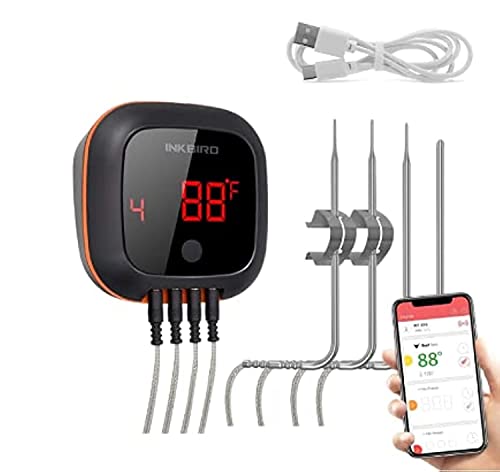
Inkbird IBT-4XS Bluetooth Wireless Aquarium Thermometer
Top-tier wireless monitoring with smartphone alerts, perfect for tech-savvy aquarists who want precise, hands-free temperature tracking.

Zoo Med Digital Aquarium Thermometer
Affordable and easy-to-read digital thermometer with probe sensor, ideal for hobbyists who want quick, no-frills temperature checks.

Aquatop Floating Glass Thermometer with Suction Cup
Reliable classic manual thermometer with easy mounting, best for those who prefer simplicity and zero dependence on electronics.
🧠 What to Look for Before You Buy
The choice between automatic fish tank thermometers and manual ones isn’t as straightforward as price or style. Many aquarists underestimate how subtle temperature fluctuations impact fish health and tank stability. A manual thermometer might miss temp swings or require constant checking, while automated options can overshoot your budget but provide peace of mind.
Accuracy and Sensor Placement
Accuracy isn’t just about the number shown but where and how the thermometer measures temperature. Sensors placed inside the water body give more reliable readings than those stuck on the tank glass, which can be affected by room temperature. For example, a cheap manual stick-on strip might read 5°F off if the room is much hotter or colder than the water. Automatic thermometers often use probes submerged in the water, giving you a true reading and real-time updates.
Durability and Water Resistance
Aquarium equipment is exposed to moisture and sometimes splashes or condensation. Manual thermometers can be fragile—glass models risk breaking, and digital displays can fog or fail. Conversely, automatic thermometers, especially wireless ones, must have robust waterproof ratings (at least IP67) and corrosion-resistant probes. Consider if the thermometer can survive long-term immersion or at least water spray.
Ease of Installation and Reading
Manual glass thermometers usually require suction cups or clips and can be hard to read through tank walls, especially in low light or with algae buildup. Digital models provide clear LCD displays, sometimes backlit, and automatic options often sync with apps for remote monitoring. If you want quick glance readings without getting close to the tank, automatic thermometers are superior. However, some automatic models have complicated setups or need batteries, which is a trade-off.
Price vs Practical Value
Manual thermometers are cheap and easy to replace but may cost you in fish health or time spent monitoring. Automatic thermometers come at a premium but add convenience and can alert you to temperature drifts before they become critical. For beginners or small tanks, manual models may suffice, but serious hobbyists or those with sensitive species should invest in an automatic option. If budget is tight, some digital manual thermometers offer a middle ground.
If you’re also managing other automatic pet gear, our guide on Automatic Cat Litter Box vs Manual (2026) – Expert Guide to Cleaner, Easier Cat Care offers insight on how automation can genuinely reduce daily hassles without compromising control.
🟦 Inkbird IBT-4XS Bluetooth Wireless Aquarium Thermometer — Best Overall
Inkbird is known for reliable wireless temperature monitoring solutions across multiple pet and home uses. The IBT-4XS stands out with its Bluetooth connectivity, letting you track your fish tank’s temperature on your phone from anywhere in the house. This model’s accuracy and alert system put it ahead of most traditional thermometers.
Who it's for
Ideal for aquarists who want precise, real-time readings without needing to be physically present by the tank. Perfect for busy owners or those with sensitive species requiring stable temps.
Real-world performance
The probe is waterproof and accurate to ±1°F, reporting every 15 seconds to the dedicated app. You can set high/low alerts, so you’re warned immediately if the tank’s temperature drifts outside safe ranges. Setup is straightforward but requires Bluetooth-enabled devices and occasional battery replacements. The app interface is user-friendly, though some might find the probe cable a minor nuisance if not managed properly.
Value assessment
Priced around $55, it’s a bit of an investment versus simple manual thermometers but justifiable given the peace of mind. Cheaper automatic models often lack reliable app support or alert features, so this is the sweet spot for tech-enabled monitoring. If you’re wary about going fully automatic, this model bridges the gap.
Verdict: The Inkbird IBT-4XS combines precision, convenience, and smart alerts, making it the top choice for serious fishkeepers who want to stay ahead of temperature problems.
🟩 Zoo Med Digital Aquarium Thermometer — Best Budget Option
Zoo Med delivers a no-nonsense digital thermometer with probe sensor that gives accurate temperature readings at a fraction of the price of high-end automatic monitors. It’s a practical choice for hobbyists needing reliable daily checks without extra bells and whistles.
Who it's for
Perfect for aquarium owners who want digital accuracy but don’t need wireless features or app integration. Great for smaller tanks or beginners on a budget.
Real-world performance
The digital display is clear and updates quickly, with the sensor probe designed for submersion. It doesn't offer alerts or remote tracking, so you must check it manually. The build is solid, but the cable length can limit placement options. Battery life is decent, and the device rarely needs recalibration.
Value assessment
At around $18, it’s a solid bargain that improves on manual glass thermometers in accuracy and readability. While it lacks automation, it covers the core needs effectively. For those unwilling to invest in wireless tech, this is a smart compromise.
Verdict: The Zoo Med Digital Thermometer delivers dependable, straightforward temperature monitoring at a wallet-friendly price — no frills, just accuracy.
🟨 Aquatop Floating Glass Thermometer with Suction Cup — Best Long-Term Investment
Aquatop’s floating glass thermometer is a classic manual option that’s stood the test of time for fishkeepers valuing simplicity and durability. This model’s sturdy build and ease of mounting make it a lasting choice for basic temperature monitoring.
Who it's for
Best for owners who prefer mechanical reliability without electronics or for tanks where tech gadgets aren’t practical. Also great for backup temperature checks alongside an automatic system.
Real-world performance
It floats or mounts inside the tank with a suction cup, providing direct water temperature readings. It’s less precise than digital models—expect around ±2°F variance—and can be harder to read in low light or murky water. However, it requires zero maintenance, no batteries, and won’t fail electronically. Breakage risk is the main downside, but careful handling mitigates that.
Value assessment
Priced under $10, it’s the cheapest option but offers long-term value due to zero upkeep. Compared to the Zoo Med digital thermometer, it trades accuracy and convenience for simplicity and durability. For committed aquarists who want a no-fuss backup, it’s a smart buy.
For aquarists exploring automation beyond temperature monitoring, see our guide on Automatic Fish Feeders vs Manual Feeders (2026) – Which Feeding Method Keeps Your Aquarium Healthy Without the Hassle.
Verdict: The Aquatop Floating Glass Thermometer is a durable, maintenance-free long-term option for those who prioritize simplicity and reliability over digital features.
📊 Side-by-Side Comparison
Inkbird IBT-4XS Bluetooth Wireless Aquarium Thermometer
- Bluetooth app alerts
- Waterproof probe
- High accuracy ±1°F
Zoo Med Digital Aquarium Thermometer
- Affordable digital readout
- Probe sensor for accuracy
- Simple setup
Aquatop Floating Glass Thermometer with Suction Cup
- No batteries needed
- Easy to mount
- Simple, reliable
*Prices are approximate and may change. Always check the live price on Amazon before buying.
✅ Our Recommendation
For most fish owners, the automatic fish tank thermometer vs manual choice boils down to how much control and convenience you want. The Inkbird IBT-4XS is the smart pick for anyone serious about monitoring without constant manual checks. If budget is tight or you prefer simplicity, the Zoo Med digital thermometer offers decent accuracy without wireless features. The Aquatop manual glass model suits those who want a durable, maintenance-free option or a backup thermometer.
- Best overall: Inkbird IBT-4XS Bluetooth Wireless Aquarium Thermometer — for precise, real-time monitoring and alerts
- Best budget pick: Zoo Med Digital Aquarium Thermometer — solid digital accuracy without the bells and whistles
- Best long-term value: Aquatop Floating Glass Thermometer — simple, reliable, and no upkeep
❓ Frequently Asked Questions
What is the best automatic fish tank thermometer for small tanks?
The Inkbird IBT-4XS is excellent for small tanks due to its waterproof probe and Bluetooth alerts, allowing precise monitoring without disturbing the tank. Its compact sensor fits easily, and real-time alerts help maintain stable conditions crucial for small-volume aquariums.
Automatic fish tank thermometer vs manual: which is more accurate?
Automatic thermometers with submerged probes generally provide more accurate and consistent readings than manual stick-on or floating glass thermometers. Manual models can be influenced by external temperature and are less precise, especially in tanks with variable room conditions.
Is an automatic fish tank thermometer safe for all types of fish?
Yes, as long as the thermometer’s probe is non-toxic and fully waterproof, automatic thermometers are safe. Many vet-recommended aquatic care guidelines suggest using reliable temperature monitoring to prevent stress and disease in sensitive species.
How often should I check my fish tank temperature with a manual thermometer?
Manual thermometer readings should be checked at least twice daily to catch any temperature fluctuations early. In contrast, automatic thermometers provide continuous monitoring, reducing the risk of unnoticed temperature changes.
What is the best manual fish tank thermometer for beginners?
The Aquatop Floating Glass Thermometer with suction cup is ideal for beginners due to its simplicity, ease of installation, and no battery requirements. It provides a straightforward way to check water temperature reliably without extra setup.